












Recovery after major weight loss is not just about the day of surgery; it is about the weeks and months that follow. When we talk about post-weight-loss surgery in NJ at Capella Plastic Surgery, we are usually referring to body contouring procedures such as lower body lifts, tummy tucks, arm lifts, breast reshaping, and thigh contouring after significant weight loss. These surgeries are designed to remove excess skin and fat, refine your shape, and help your body match the hard work you have already put into losing weight.
Healing from these operations is a process. Some changes are visible right away, but swelling, bruising, and fatigue take time to settle. Every person’s timeline is different based on their health, the combination of procedures, and how closely they follow instructions. Recovery is not a race, and comparing yourself to others can be discouraging.
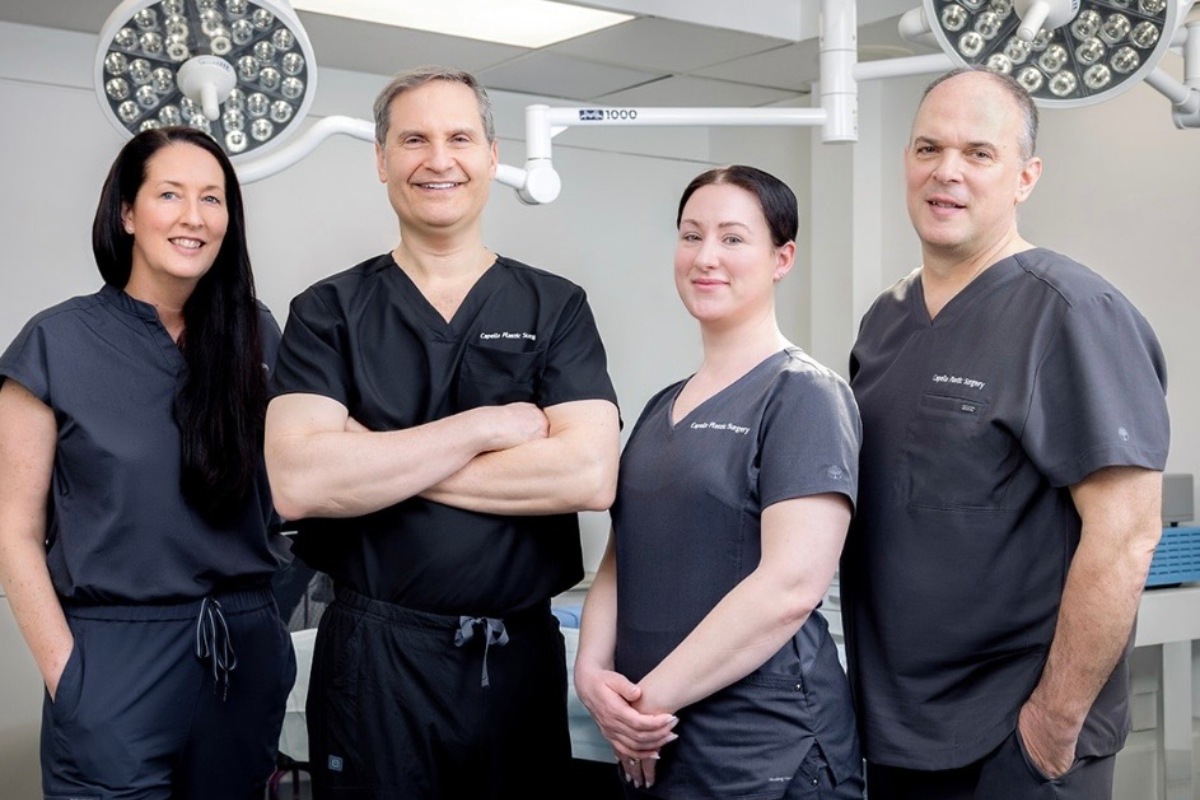
Capella Plastic Surgery is led by Dr. Joseph F. Capella, who focuses his practice on body contouring after major weight loss. We care for patients from New Jersey and from out-of-town, so our approach is built around safety, clear expectations, and repeat communication. In this guide, we will walk through what recovery usually looks like, from preparing your home to the early weeks, to long-term maintenance of your results.
Good planning before surgery can make your recovery safer and more comfortable, especially if you are traveling for post-weight-loss surgery in NJ. You want to return from the hospital or surgery center to a space that is calm, organized, and easy to move through.
If possible, set up your main recovery area on one level so you can minimize stairs during the first days. Many people find a reclining chair helpful, but a bed can work well with enough pillows. Think about what you will reach for most and keep it close: phone charger, water, medications, tissues, remote control, and a small trash can. Loose, front-opening clothing, slip-on shoes, compression garments, and any recommended wound care supplies should be ready before surgery.
Simple preparation steps might include:
Your support system is just as important as your physical setup. Plan for a trusted adult to drive you home, stay at least the first night, and ideally help for several days. Pets, children, and everyday tasks like laundry, dishes, and trash will still need attention, and it is best if you are not the one handling them right away.
Before the procedure, we review your individualized surgical plan, so you understand where incisions will be, what garments you will wear, and what help you are likely to need. When allowed, fill prescriptions in advance so you are not stopping at a pharmacy on the way home. It is also helpful to arrange time off work and to let your workplace know that your return date may be approximate, depending on how you feel.
The first two weeks are usually the most demanding physically. After body lifts, tummy tucks, and other contouring procedures, it is common to have swelling, bruising, a feeling of tightness, and low energy. These are typical responses as your body heals from extensive surgery.
You will be encouraged to walk short distances starting soon after surgery, in most cases, to support circulation and reduce the risk of blood clots. That does not mean standing for long periods or doing household chores. Movements that strain your core or pull on incisions should be avoided until you are cleared. We show you how to get in and out of bed by rolling to one side and using your arms for support to protect your abdomen and lower body.
Some patients will go home with drains to remove extra fluid from under the skin. We teach you how to empty and measure them, keep the sites clean and dry, and secure tubing so it does not pull. Mild redness around incisions, small amounts of clear or slightly bloody drainage, and itching as healing progresses are often normal. You should call the office if you notice increasing redness, warmth, thick or foul-smelling drainage, fever, or sudden swelling or pain.
Pain control works best when it is planned, not when you wait until discomfort is severe. We usually recommend a combination of prescribed medication and over-the-counter options when appropriate. Staying well hydrated, eating small protein-rich meals, and keeping a regular schedule for medications can make a big difference. Sleep can be tricky at first, especially after tummy tucks or body lifts, so extra pillows to keep you slightly bent at the hips and knees often help ease tension on incisions.
Your choices after surgery can support or slow your healing. Good nutrition is one of the most important parts of recovery after post-weight-loss surgery in NJ. Focus on lean protein, such as poultry, fish, beans, eggs, and low-fat dairy, along with fruits, vegetables, and whole grains. Drink plenty of water unless you have been given specific fluid limits. Crash dieting can deprive your body of what it needs to repair tissues, and smoking or nicotine use can interfere with circulation and wound healing.
As you start feeling better, we usually encourage a gradual return to activity. Walking can be increased step-by-step as your stamina improves. Light cardio, like a treadmill or stationary bike, may be added when it is safe. Strength training and core exercises typically return later, only after you have been cleared at a follow-up visit. Pushing too hard, too soon often leads to setbacks.
Scar care is a long game. Once incisions are fully closed and you have our approval, topical treatments may be started if recommended. Silicone sheets are commonly used in scar management. Daily sun protection is important, since fresh scars can darken if exposed to ultraviolet light. Over time, scars usually flatten and fade, but they do not disappear completely, so having realistic expectations helps you feel more comfortable with your results.
Alongside the physical changes, there is an emotional side to recovery. Even when you are excited about your new shape, swelling, bruising, and temporary asymmetries can make you question your decision in the early weeks. It is normal to have mood swings or feel impatient. If anxiety, sadness, or body image worries start to feel overwhelming, let us know. Many patients benefit from support groups, counseling, or simply more frequent check-ins during this stage.
Recovery is a team effort between you and our staff. At Capella Plastic Surgery, we schedule a series of follow-up visits so we can monitor your healing, remove drains or sutures when appropriate, adjust garments, and answer new questions as they arise. Keeping these appointments, even when you feel well, is one of the best ways to protect both your safety and your cosmetic outcome.
There are times when you should not wait for a scheduled visit. You should contact the office urgently if you develop signs such as spreading redness around incisions, new or worsening pain that is not helped by medication, sudden shortness of breath or chest pain, significant leg swelling, or concerns that your drains or incisions have changed in a concerning way. Trust your instincts if something feels off.
Many people considering post-weight-loss surgery in NJ are traveling from other states or countries. We commonly discuss how long to stay locally after surgery, what kind of support you will need during that time, and how to plan your return trip. Virtual check-ins can sometimes be used to supplement in-person visits, especially once you are back home, although they do not replace the need for hands-on care when it is required.
Above all, personalized instructions from Dr. Capella and our team come first. General guides like this are helpful in understanding the big picture, but every patient’s combination of procedures, medical history, and personal goals is different. We tailor activity limits, work restrictions, garment use, and scar care to your specific case.
A successful recovery rests on a few key pillars. Thoughtful preparation at home, closely following your customized instructions, eating to support healing, gentle but consistent movement, and paying attention to your emotional health all work together to support your new contour. When these areas are in balance, most people find that each week feels a little easier than the one before.
Challenges along the way are common and usually temporary. Swelling, fatigue, and doubt are part of the process, not signs of failure. Staying in close communication with your surgical team allows small concerns to be addressed early, before they grow into bigger problems. Recovery after major weight-loss surgery is more than healing incisions; it is an investment in maintaining your weight loss and feeling at home in your body for years to come.
If you are ready to complete your journey with body contouring after major weight loss, our team at Capella Plastic Surgery is here to guide you. Learn how our customized approach to post weight loss surgery in NJ can help you achieve a more comfortable, confident shape. We invite you to reach out with your questions or to schedule a personal consultation through our contact us page.
Schedule your consultation to discuss your body contouring concerns with Dr. Joseph Capella.
Give yourself the gift of expert care and world-class results. Schedule your remote or in-person consultation with Dr. Capella to receive care from the field’s foremost authority in body contouring after weight loss.
545 Island Road, Suite 2A, Ramsey, New Jersey 07446

