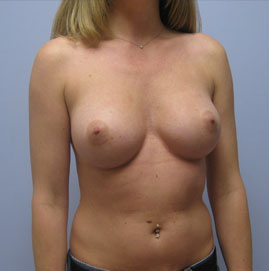
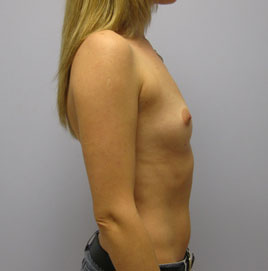
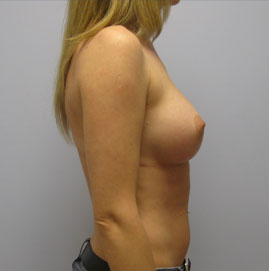
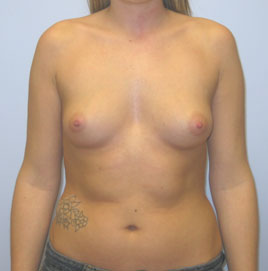
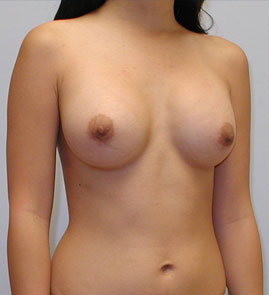
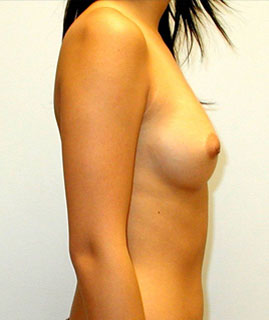
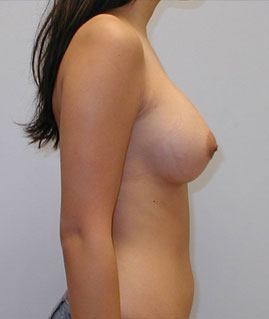
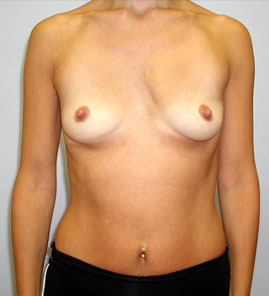
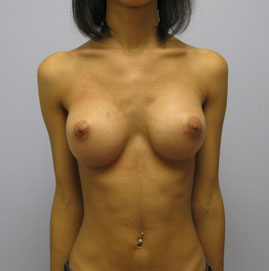
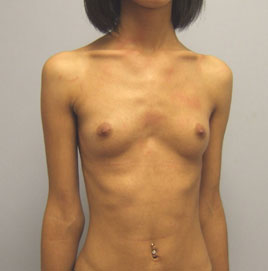
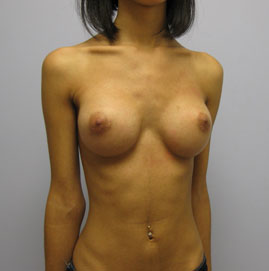
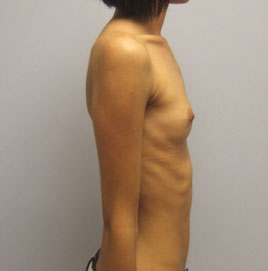
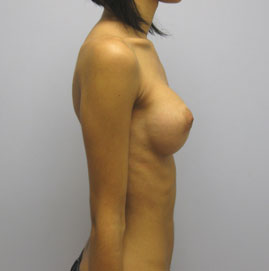
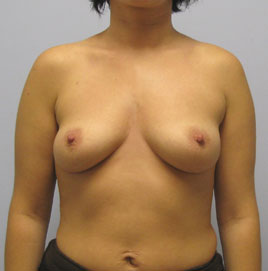
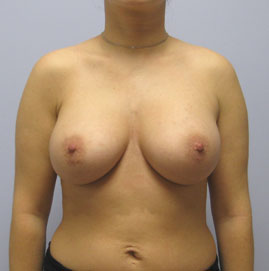
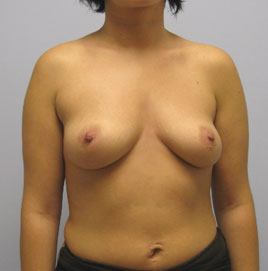
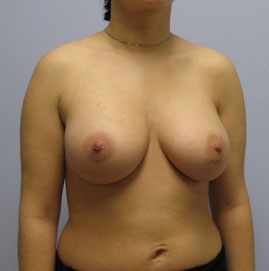
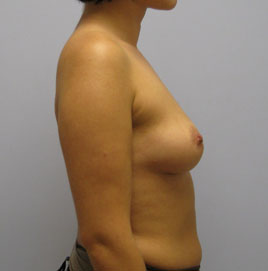
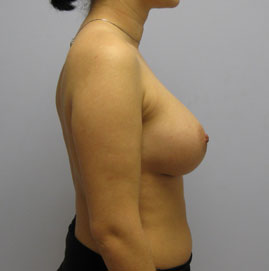
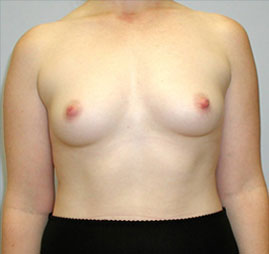
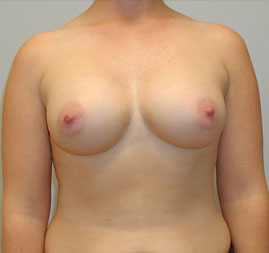
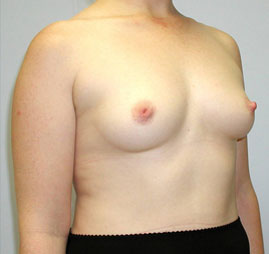
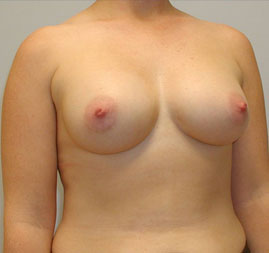
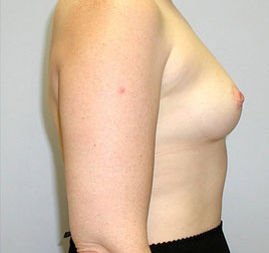
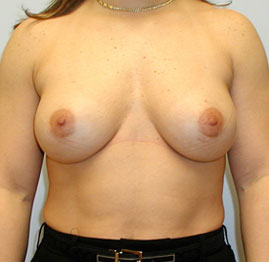
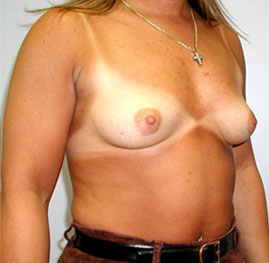
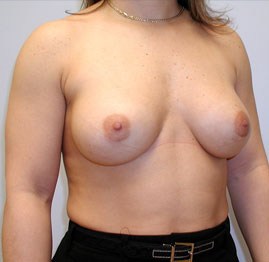
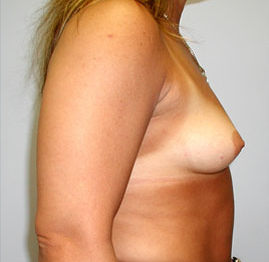
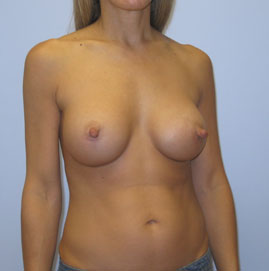
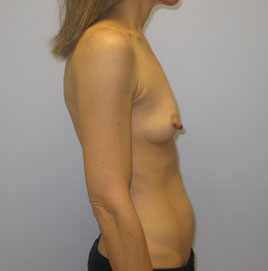
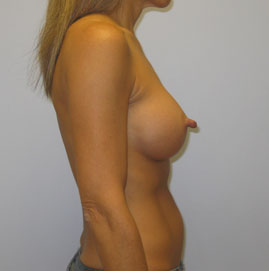
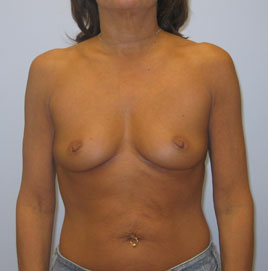
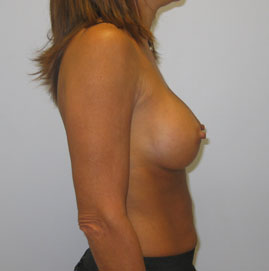
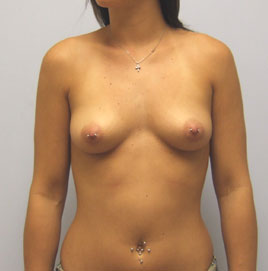
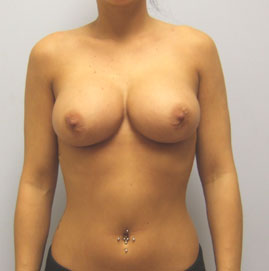
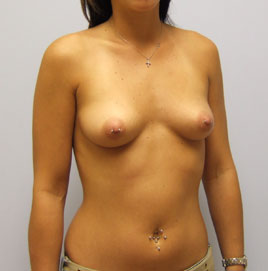
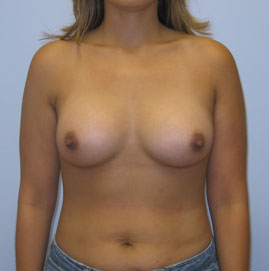
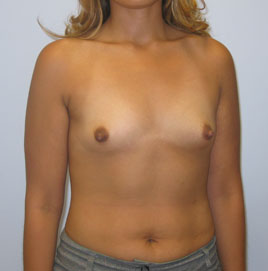
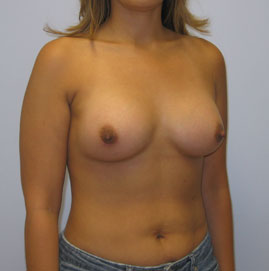
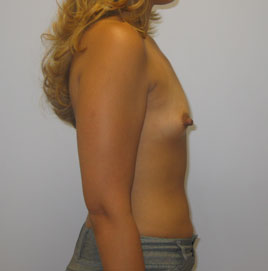
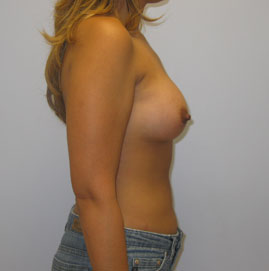
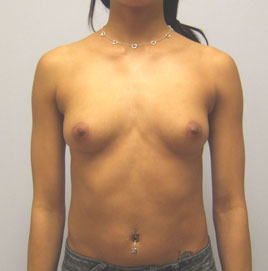
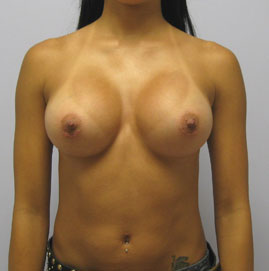
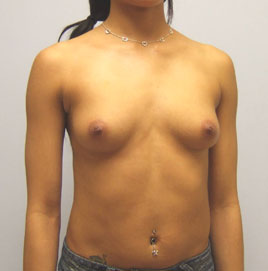
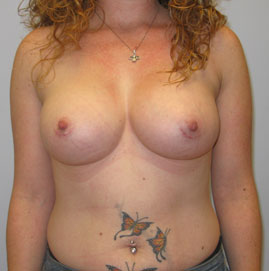
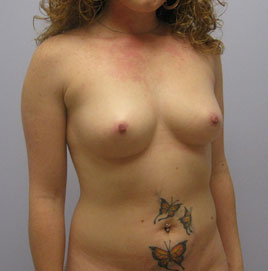
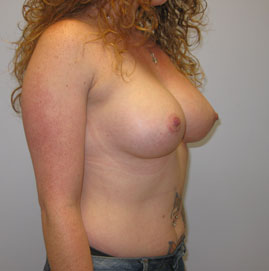
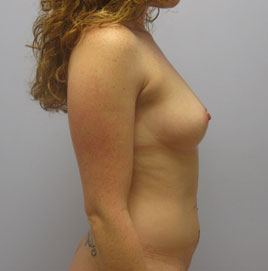
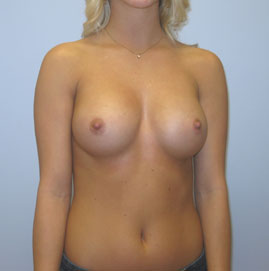
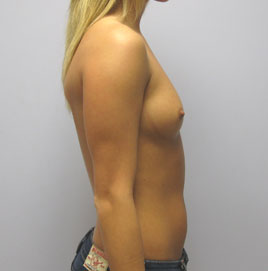
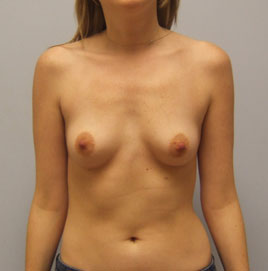
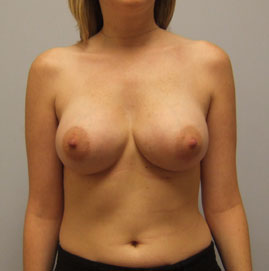
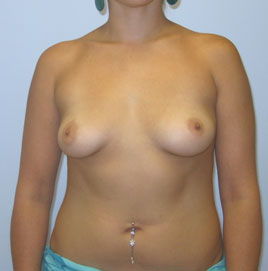
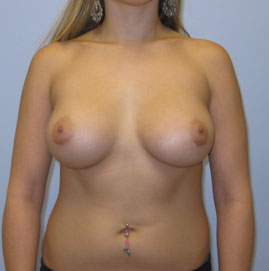
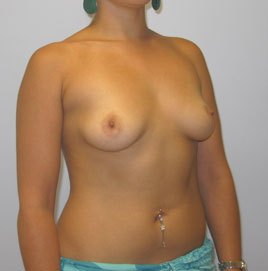
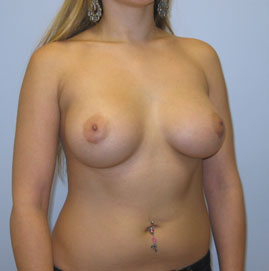
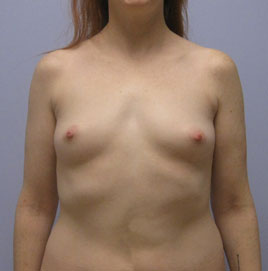
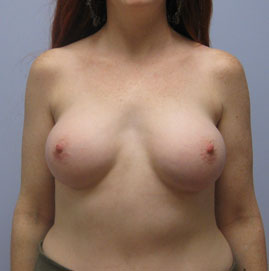
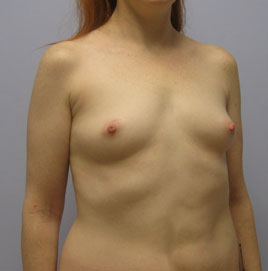
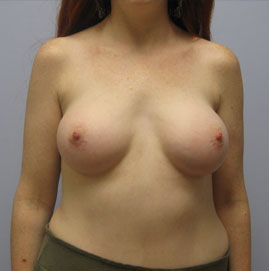
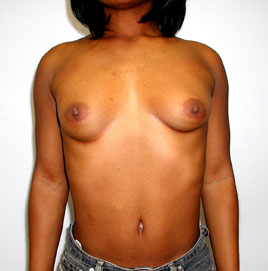
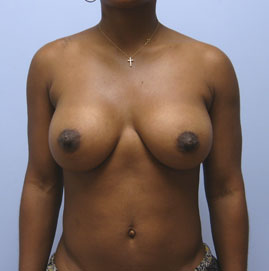
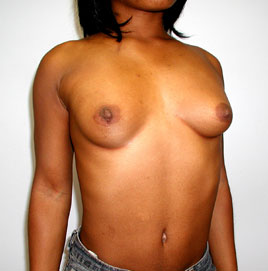
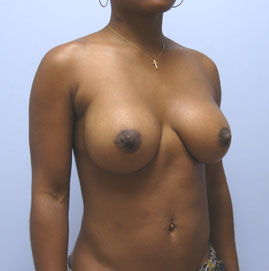
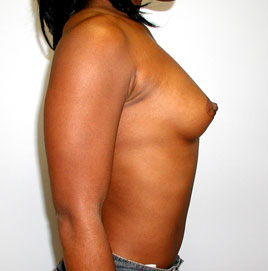
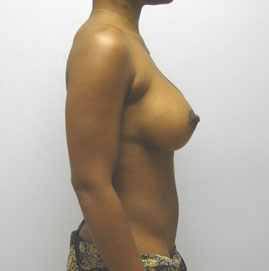
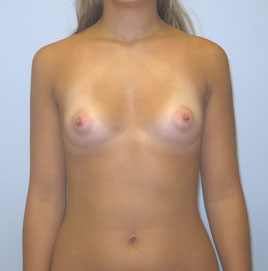
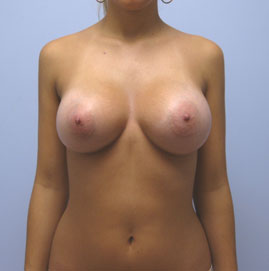
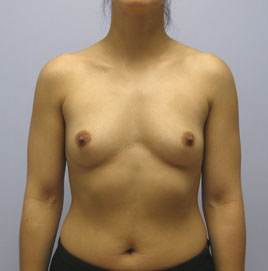
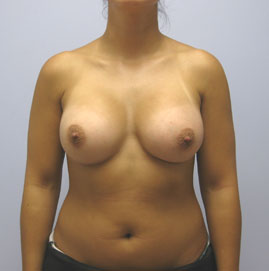
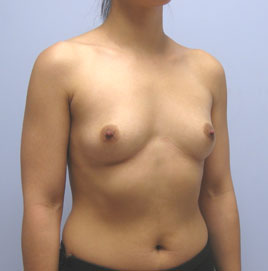
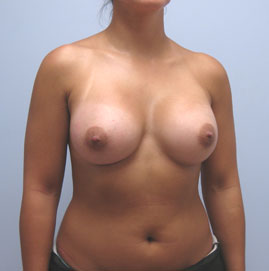
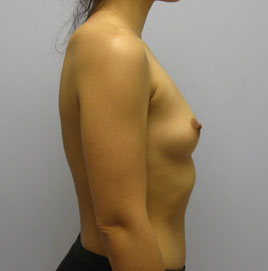
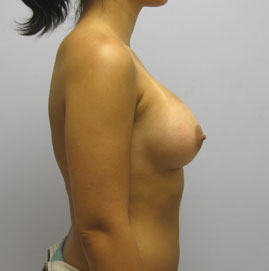
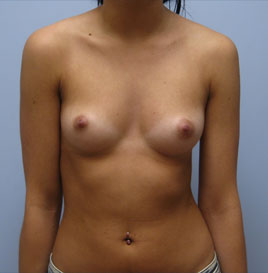
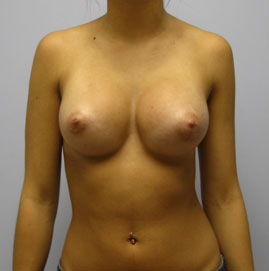
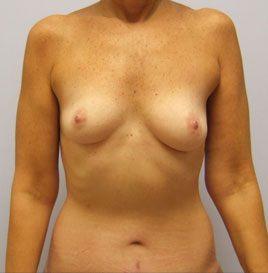
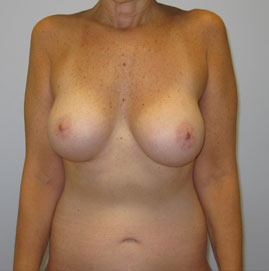
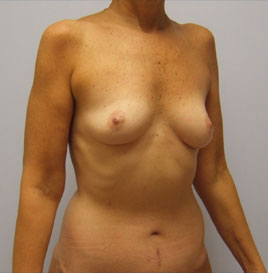
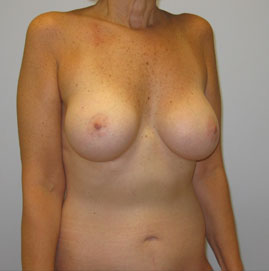
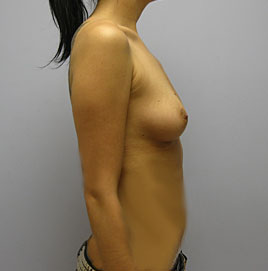
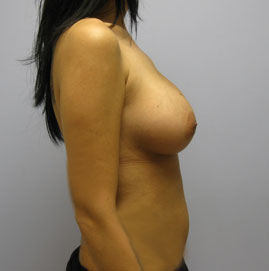
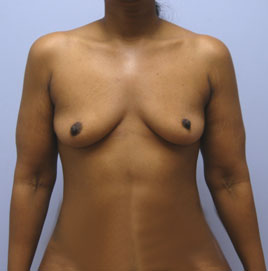
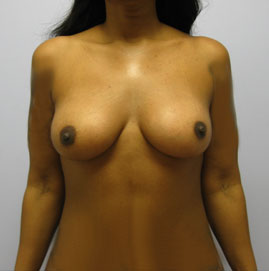
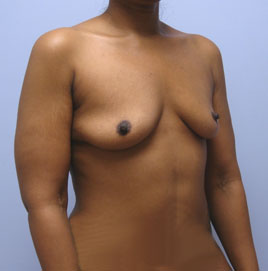
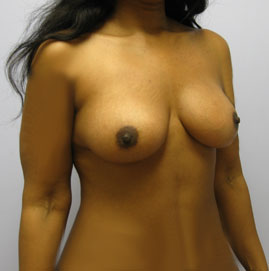
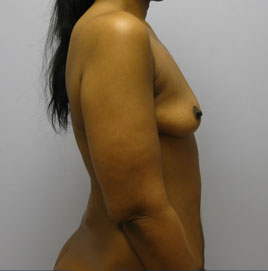
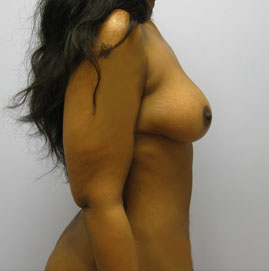
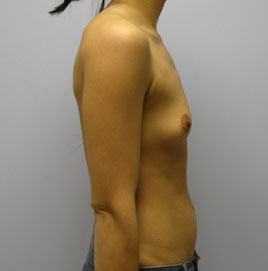
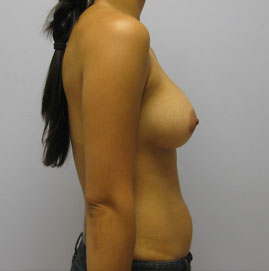
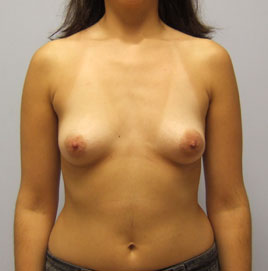
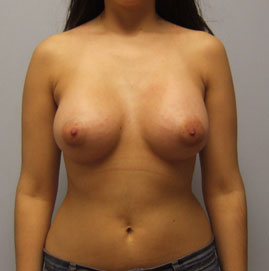
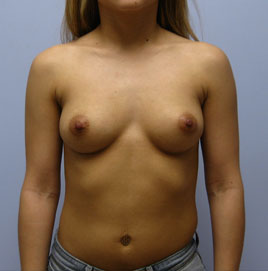
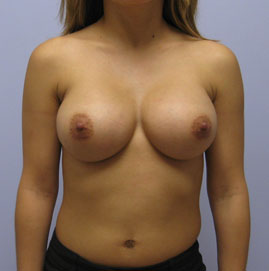
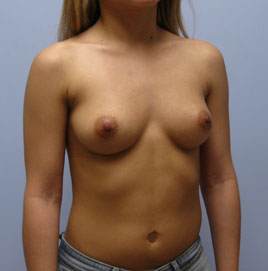
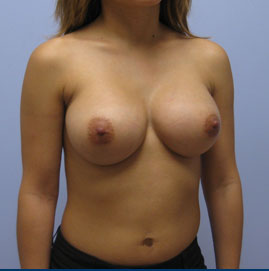
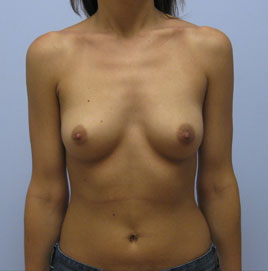
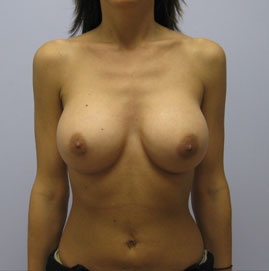
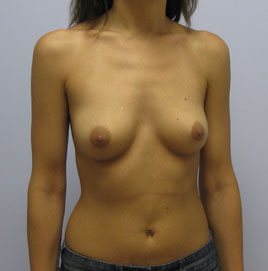
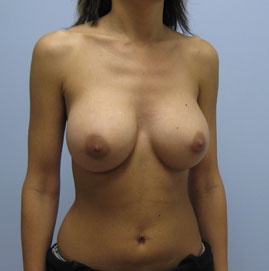
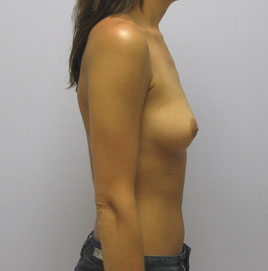
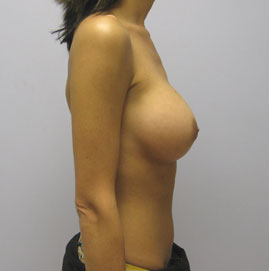
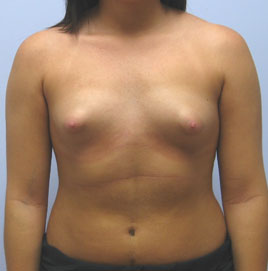
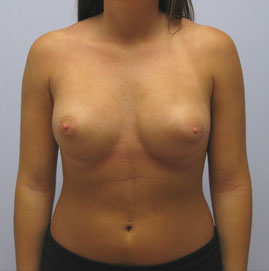
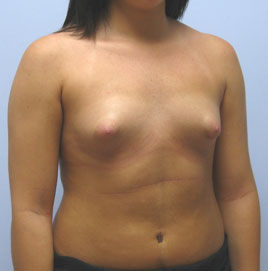
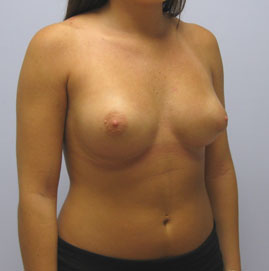
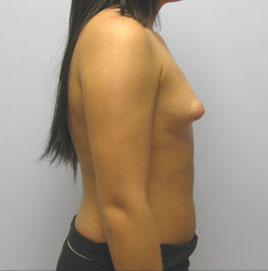
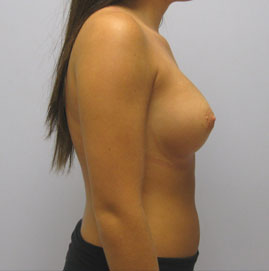
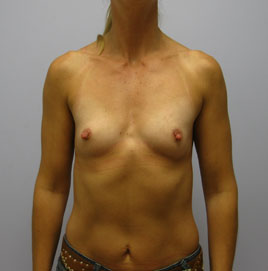
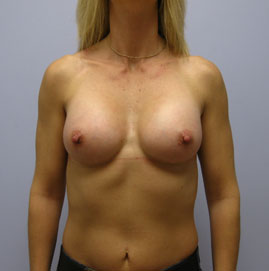
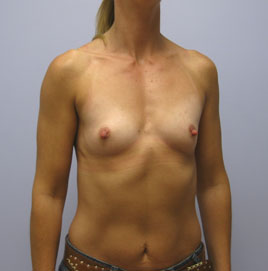
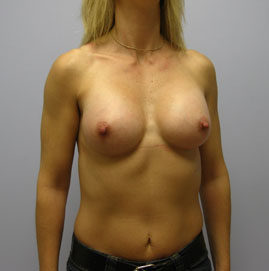
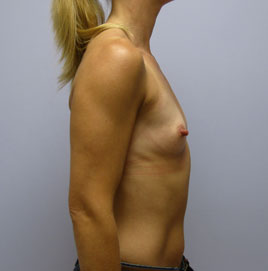
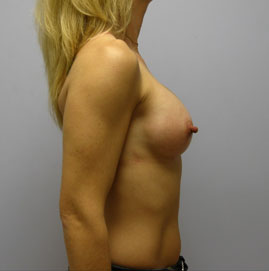
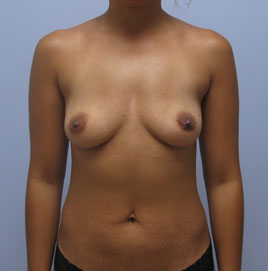
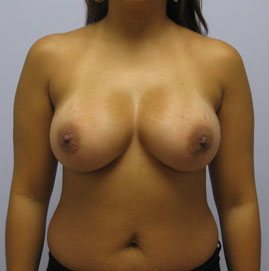
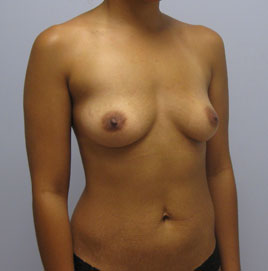
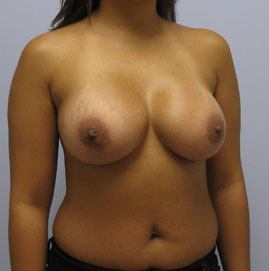
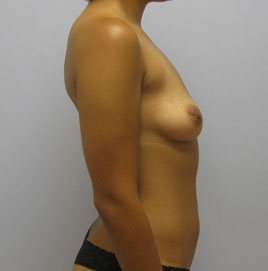
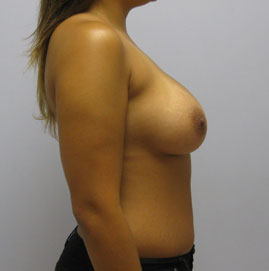
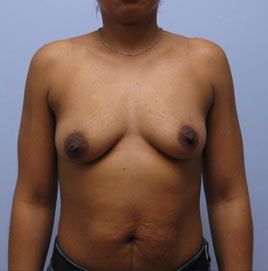
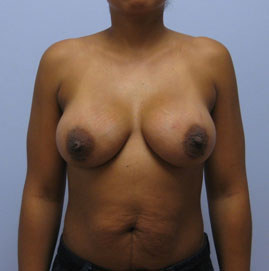
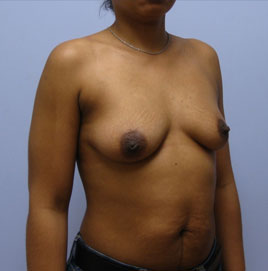
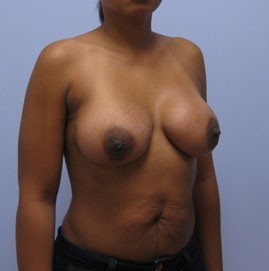
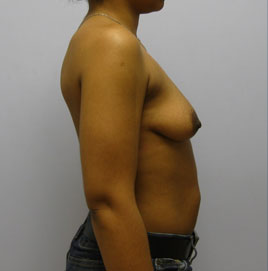
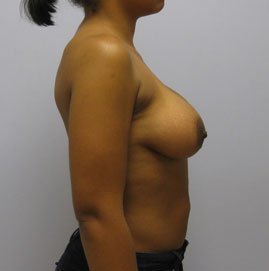
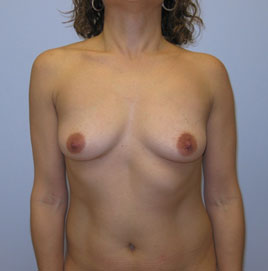
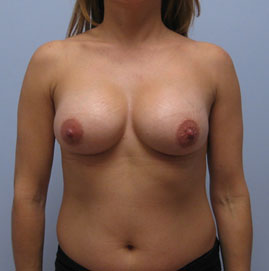
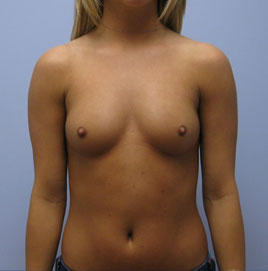
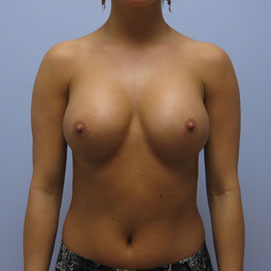
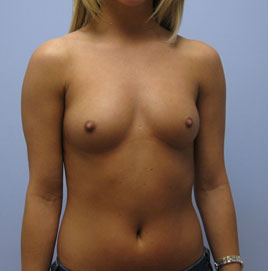
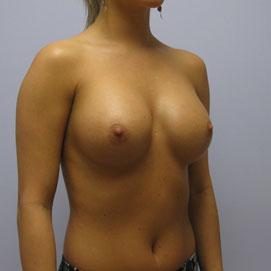
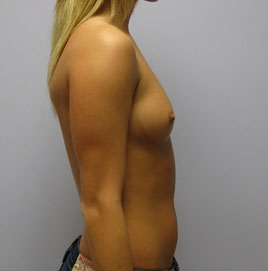
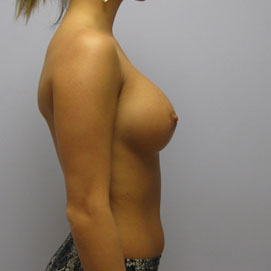
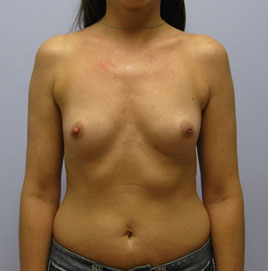
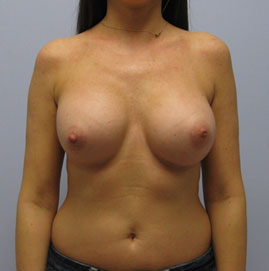
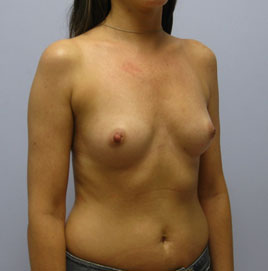
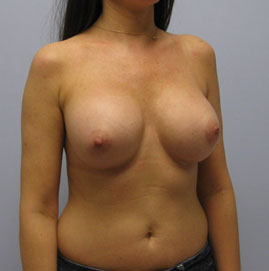
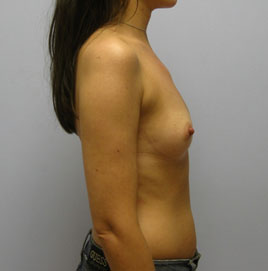
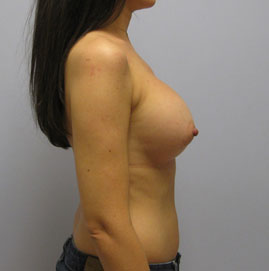
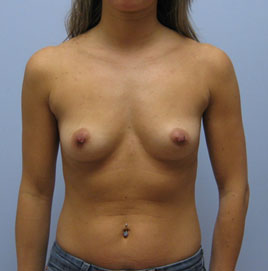
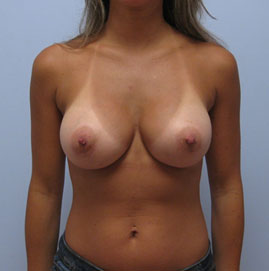
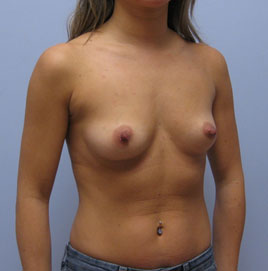
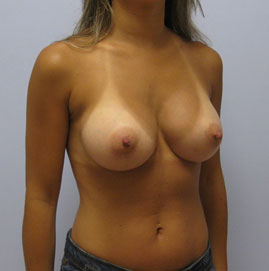
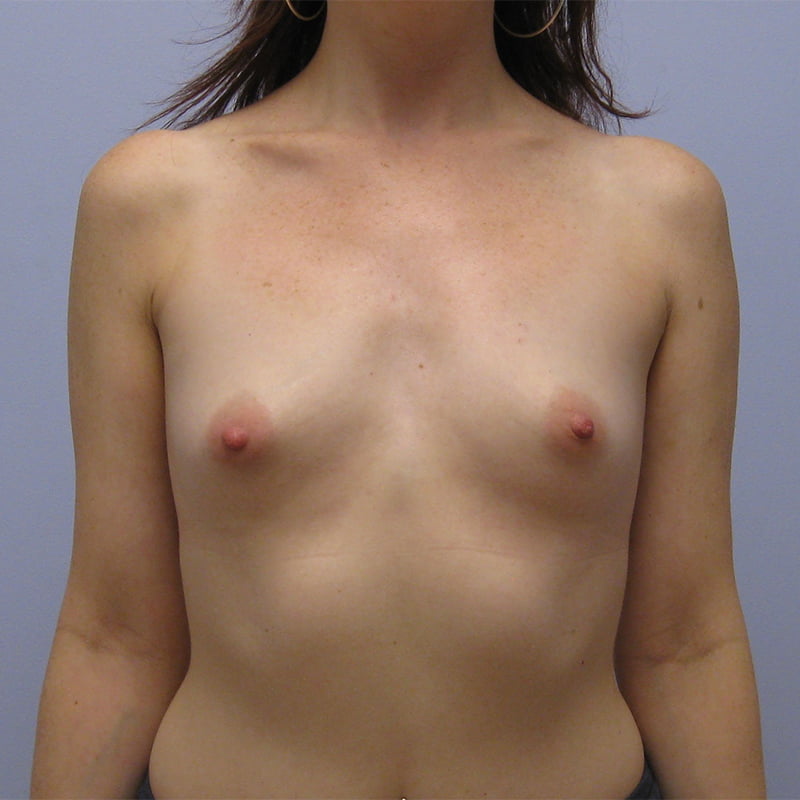
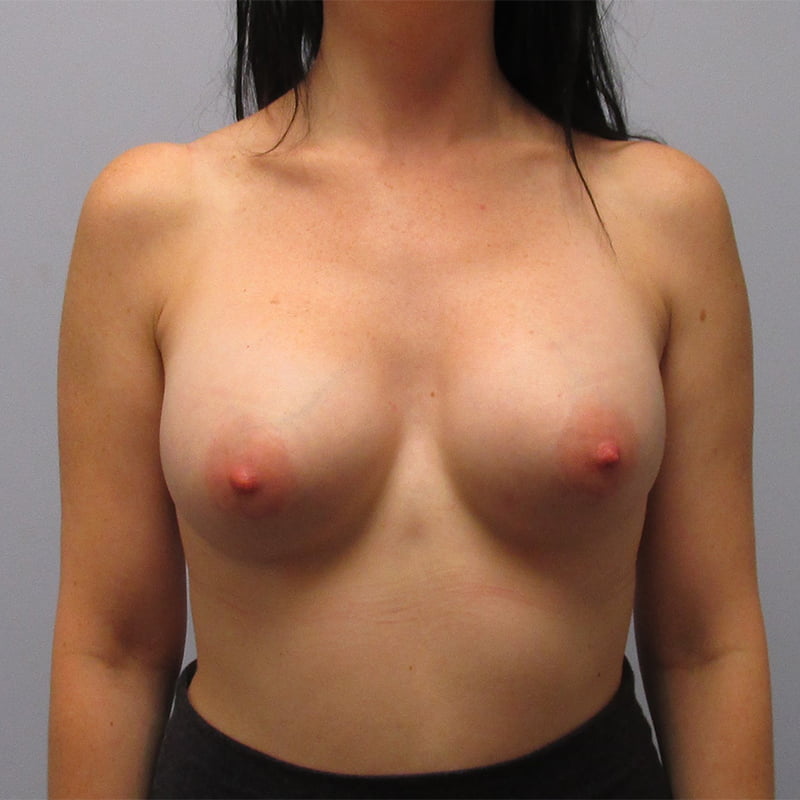
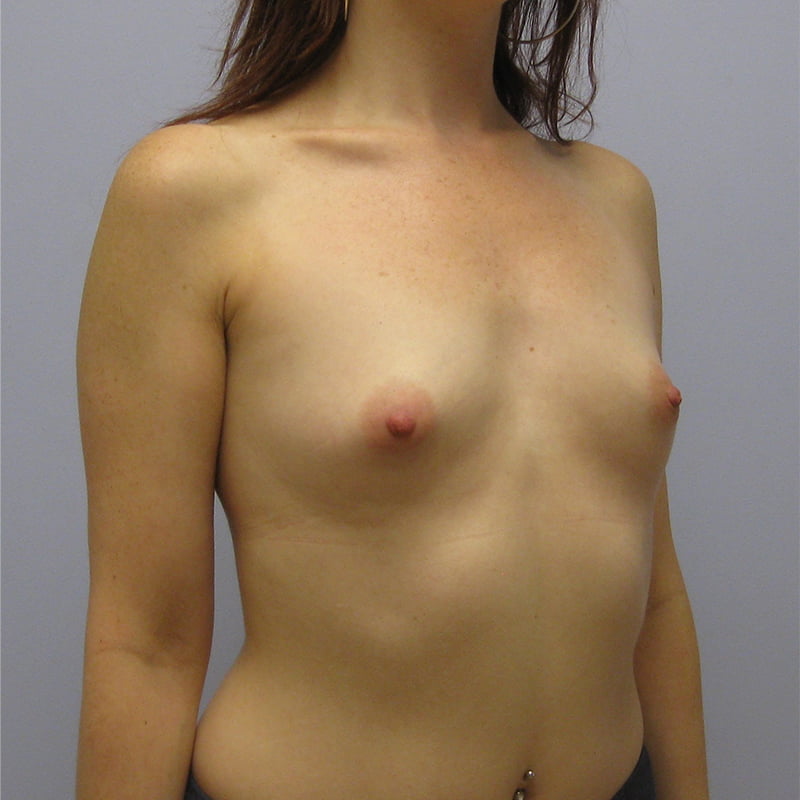
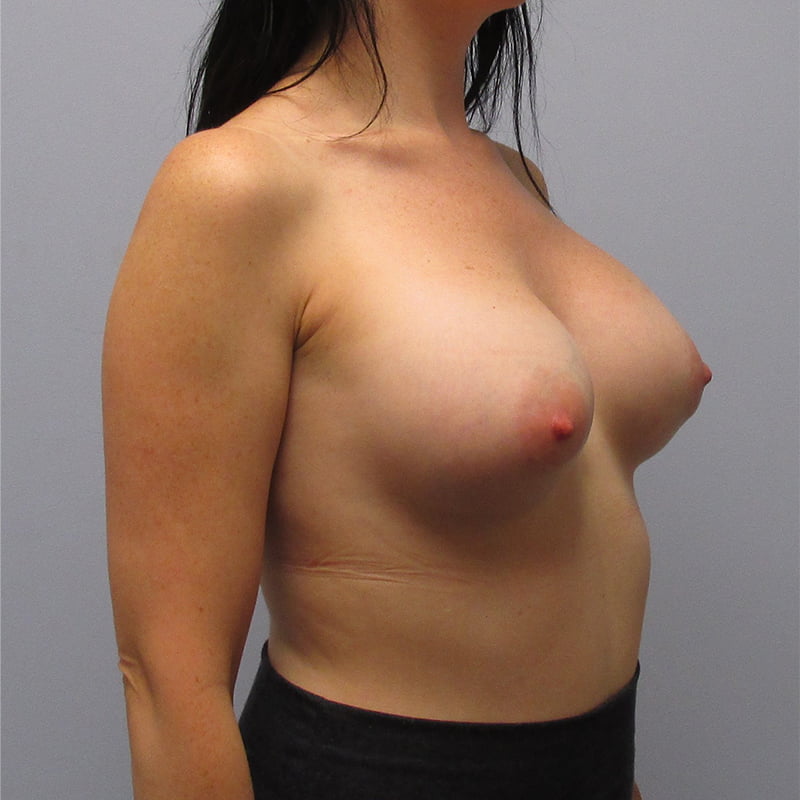
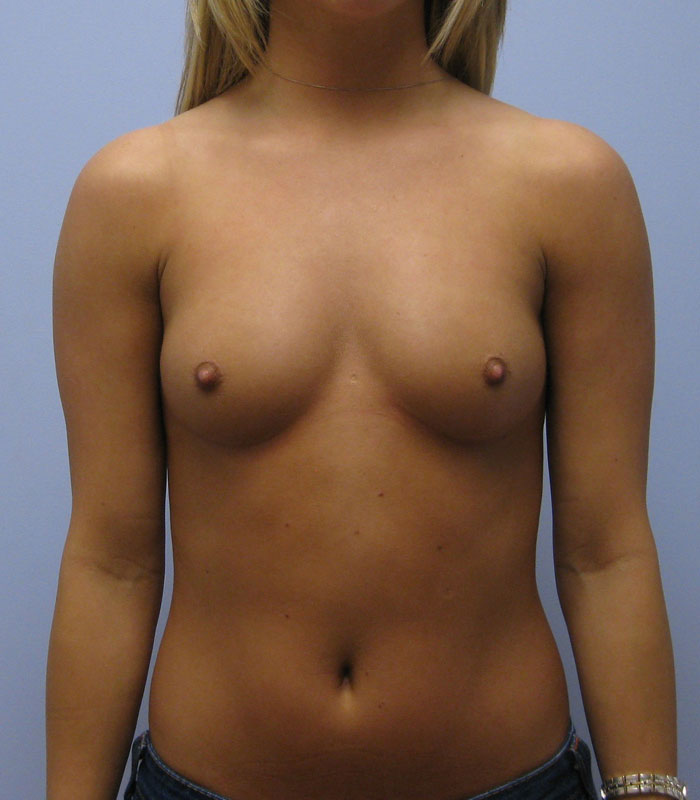
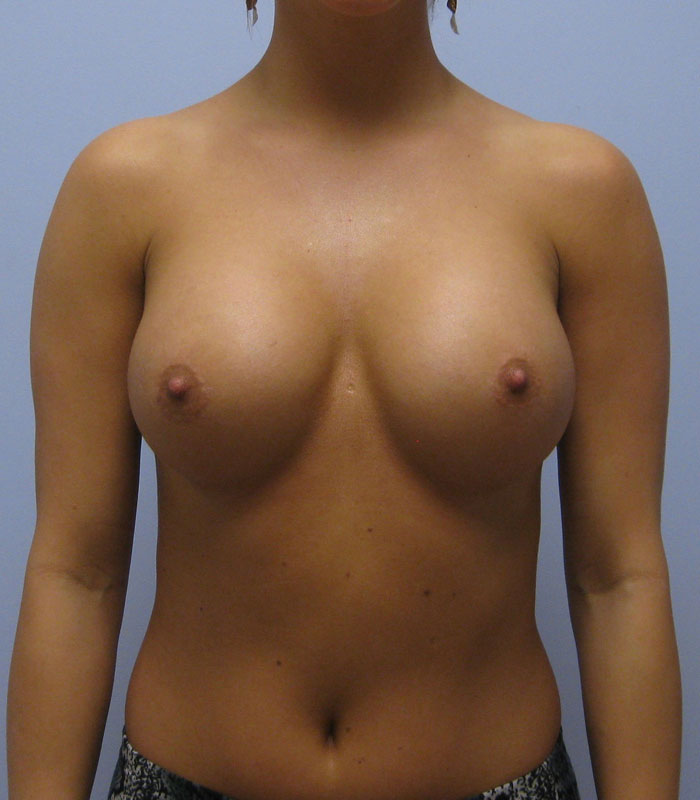
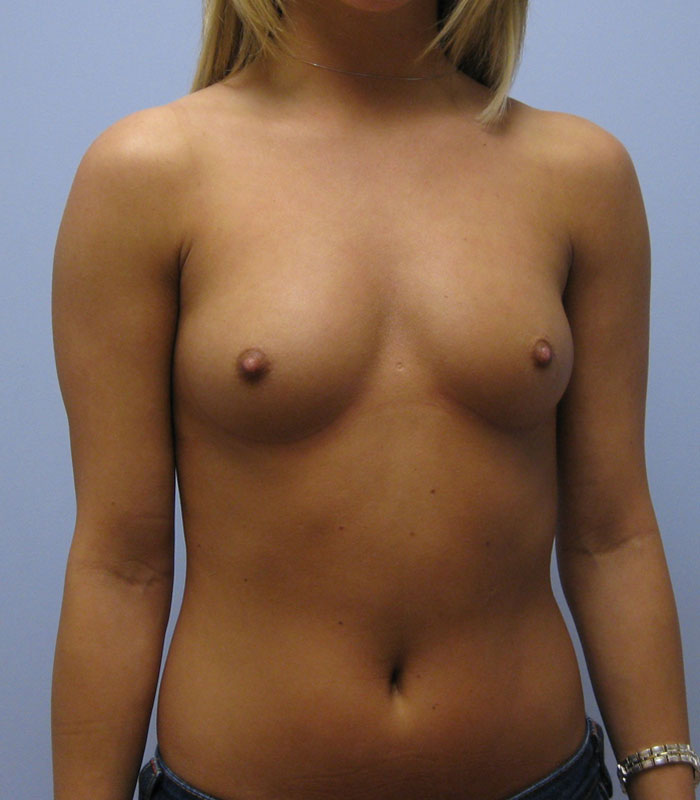
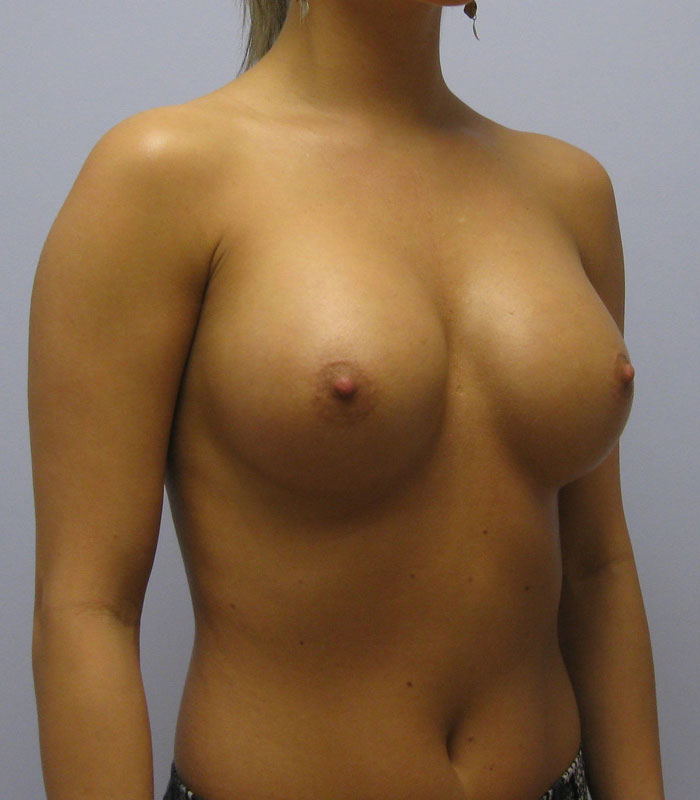
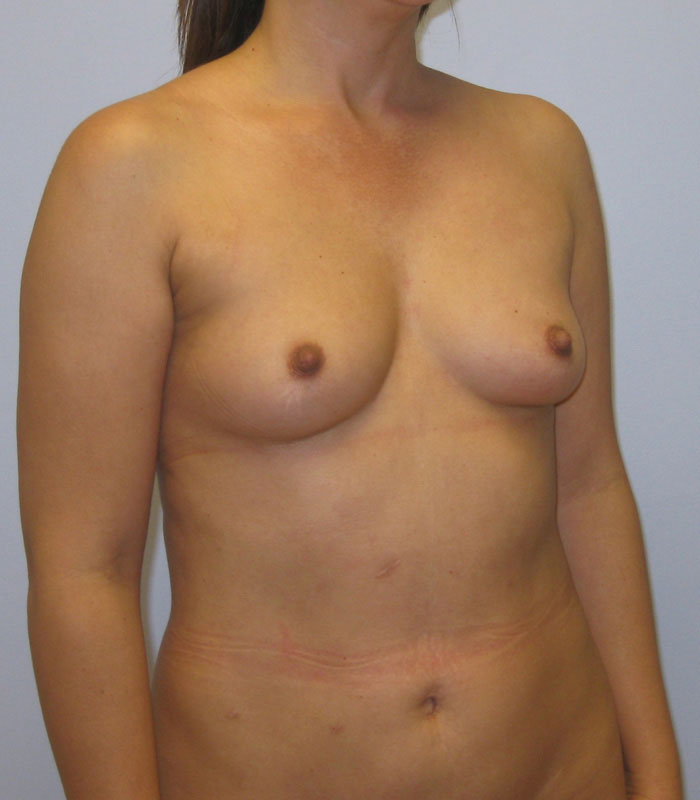
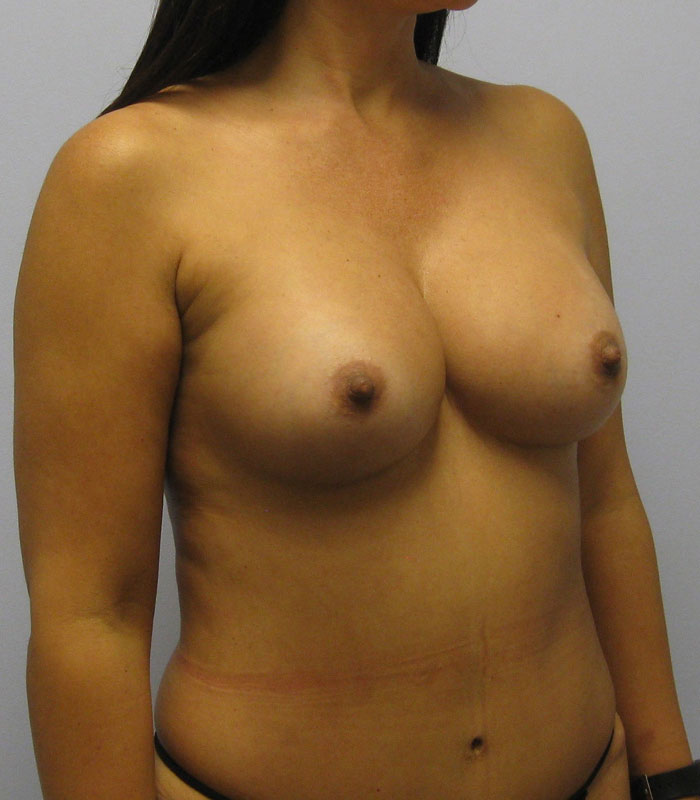
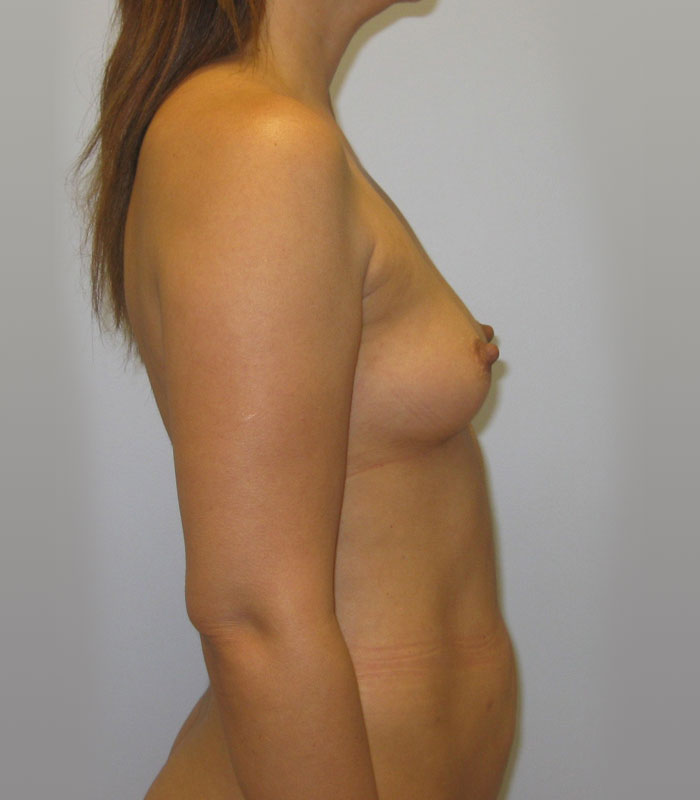
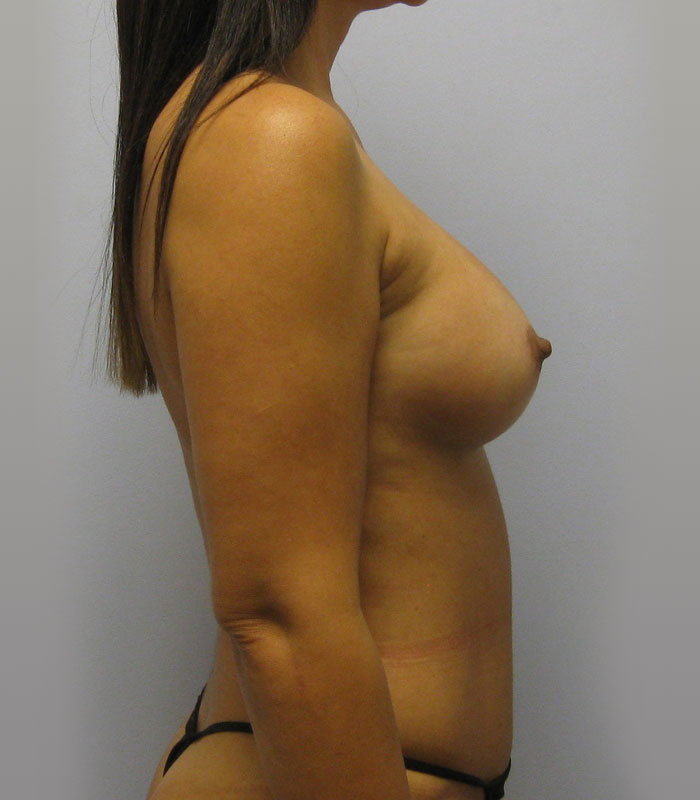
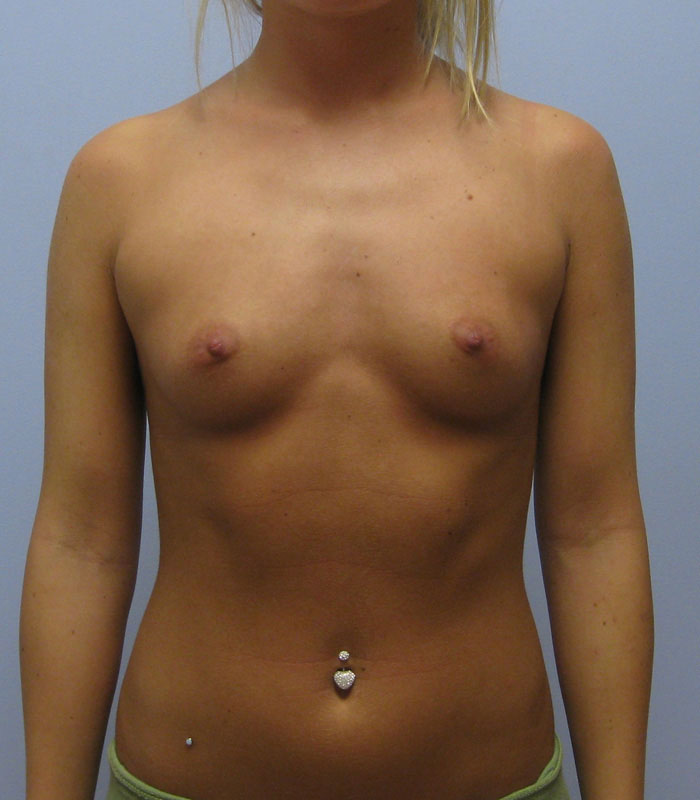
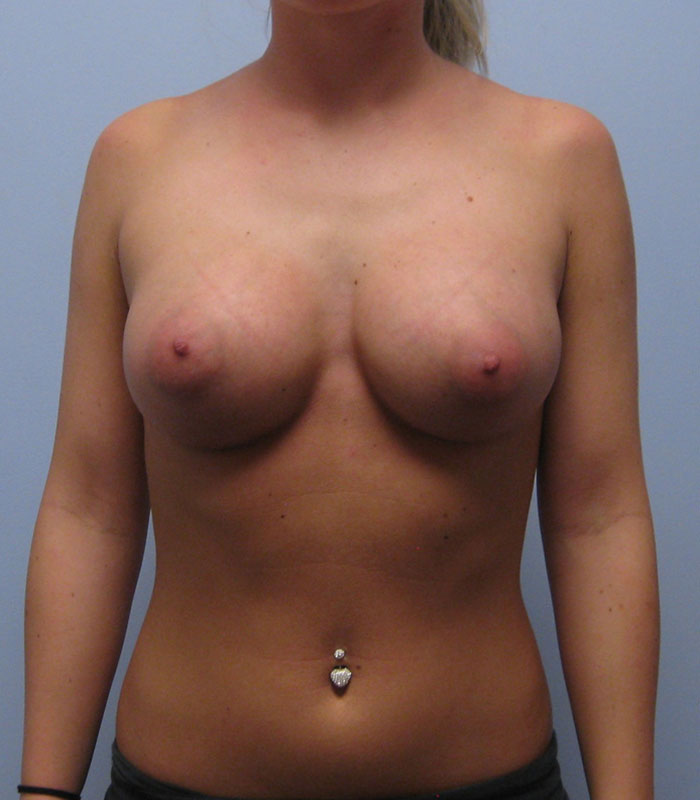
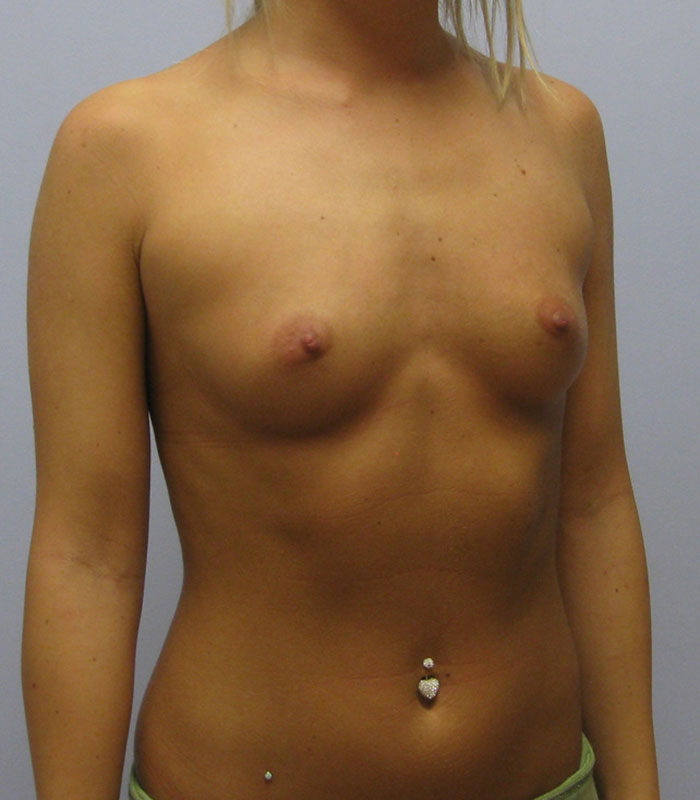
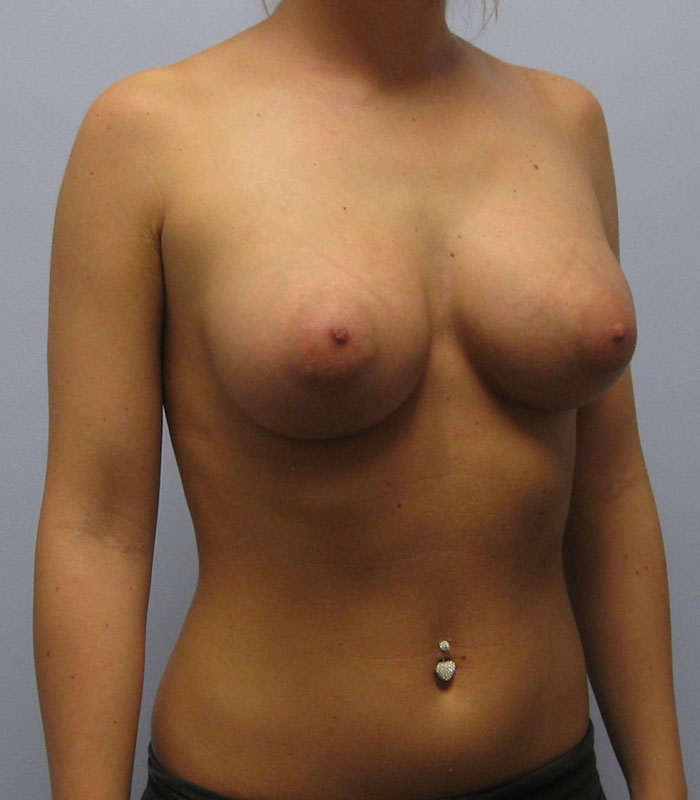
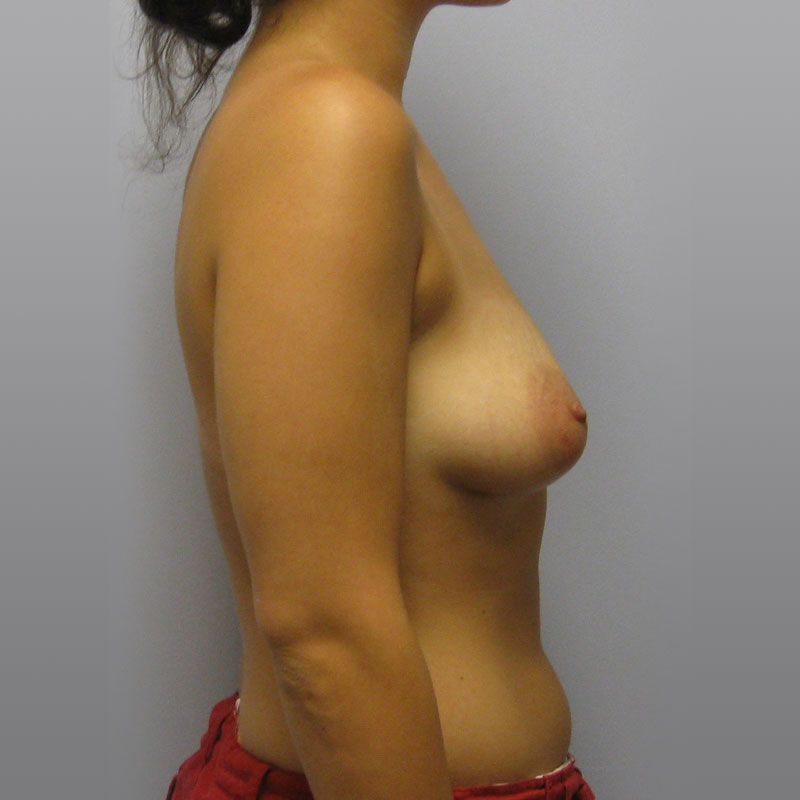
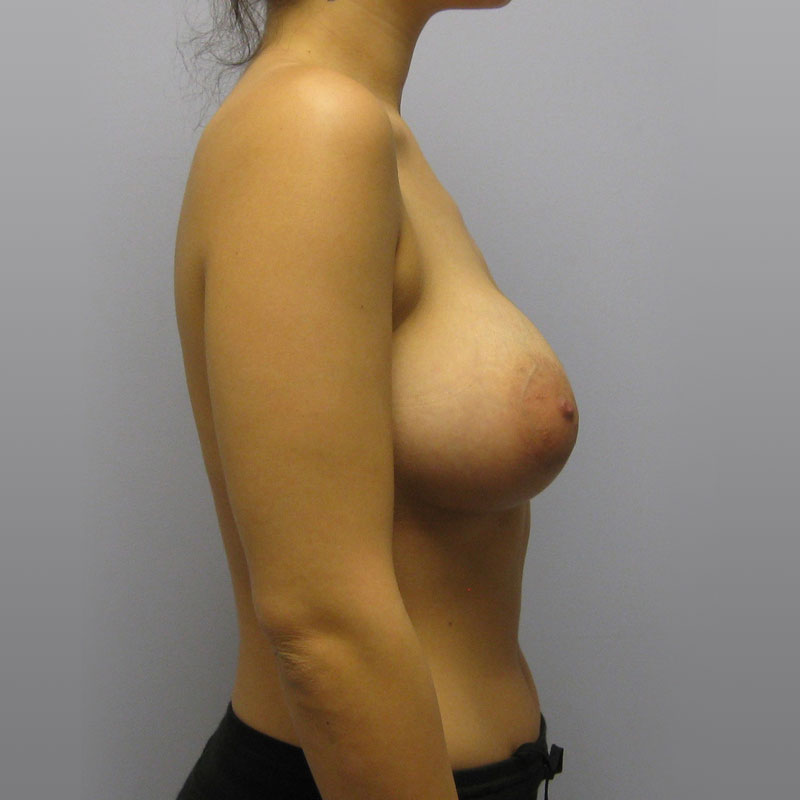
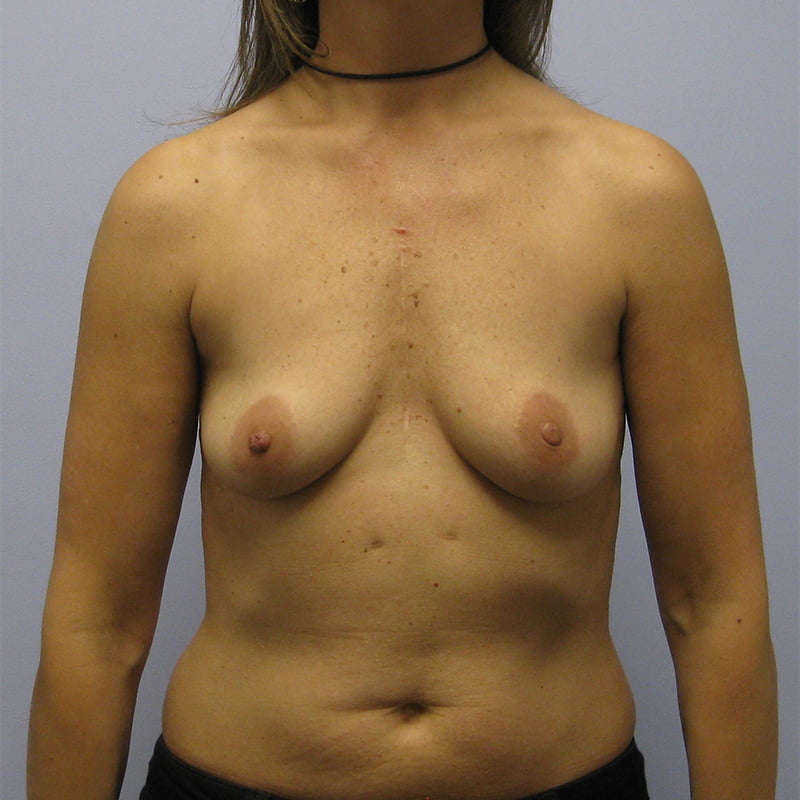
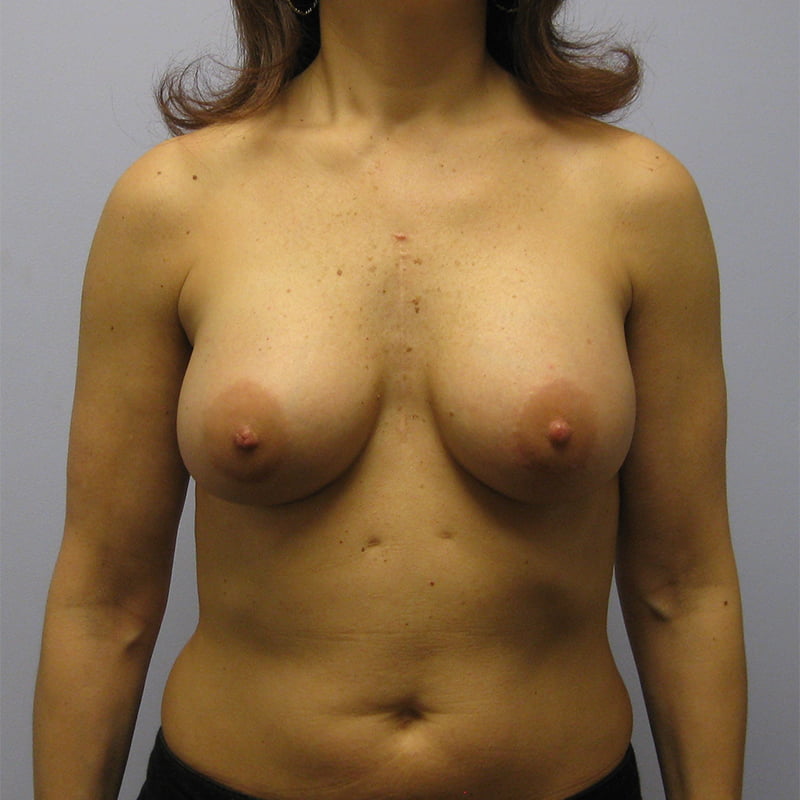
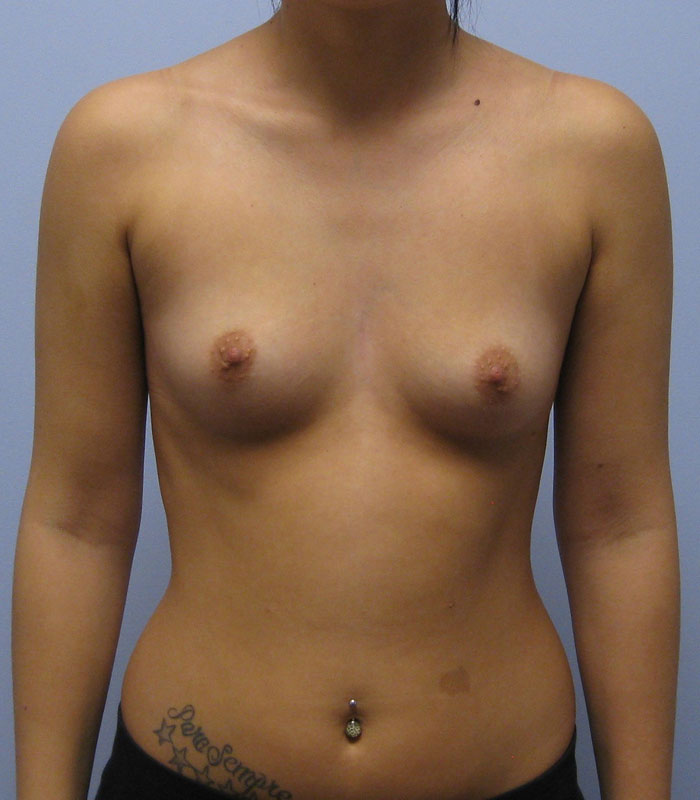
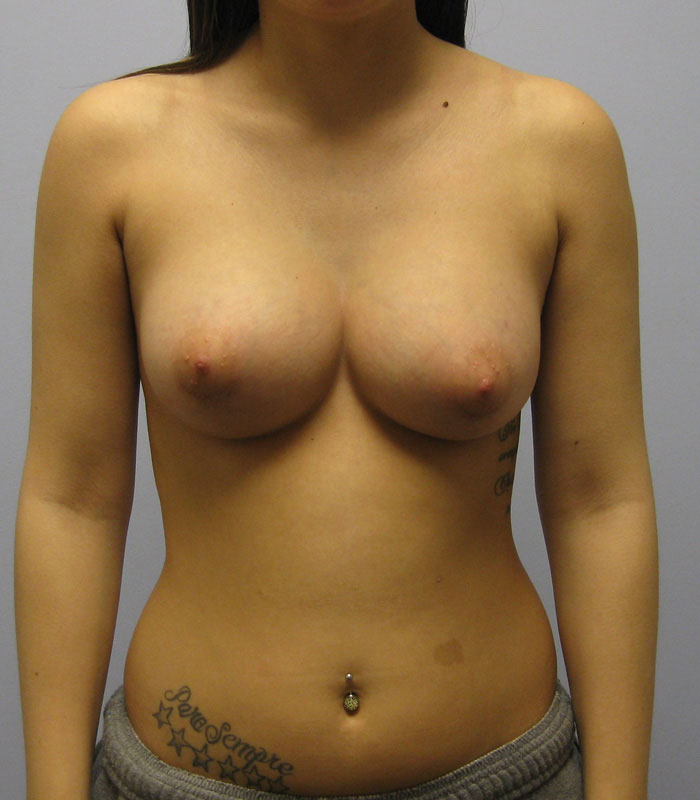
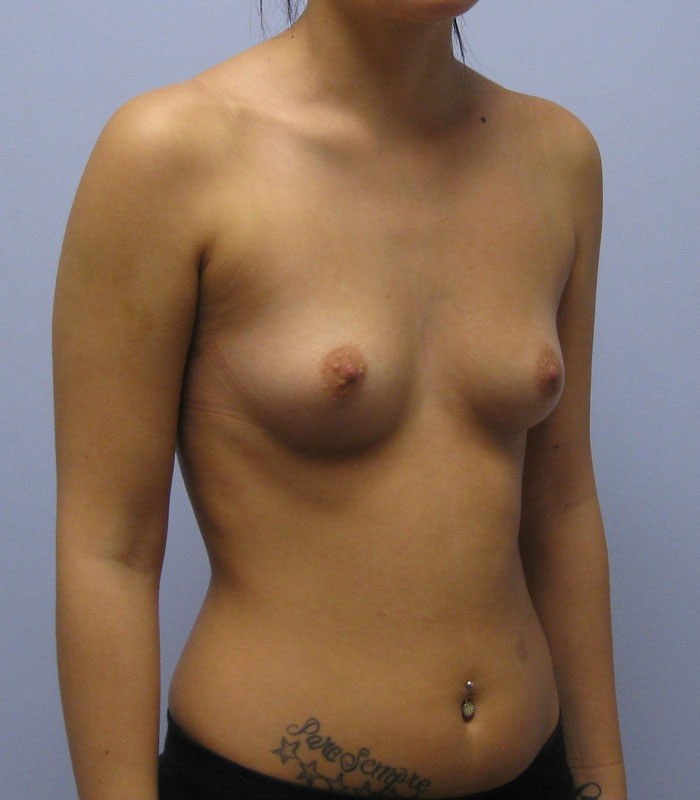
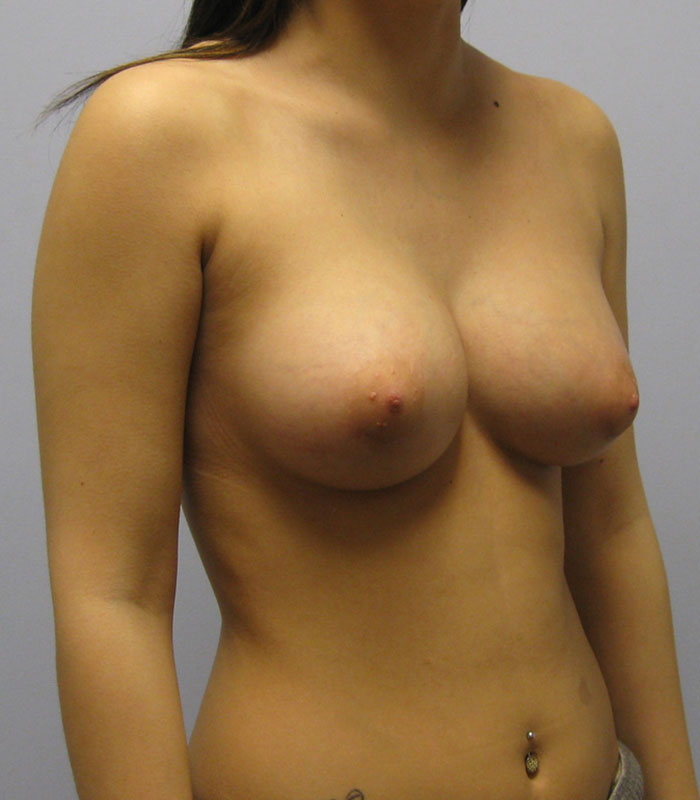
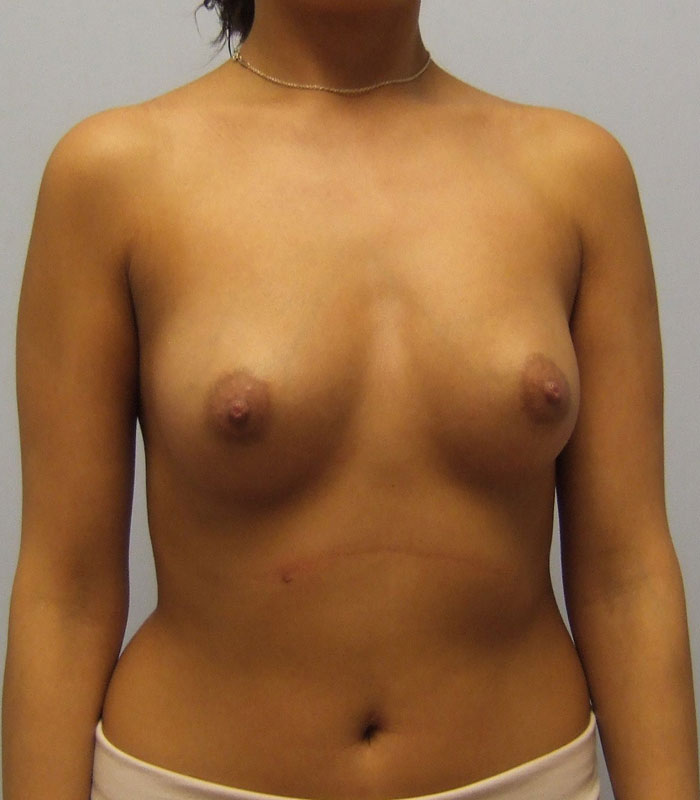
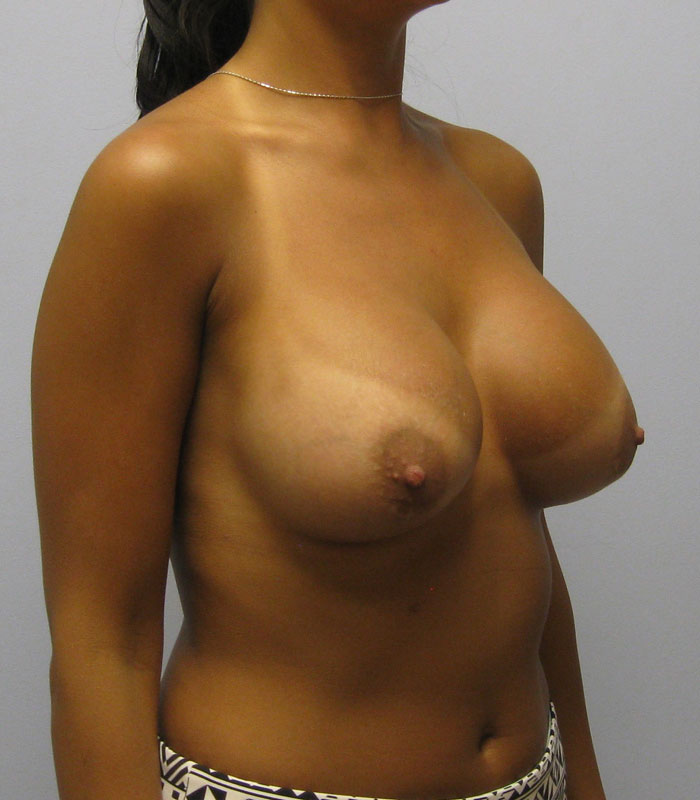
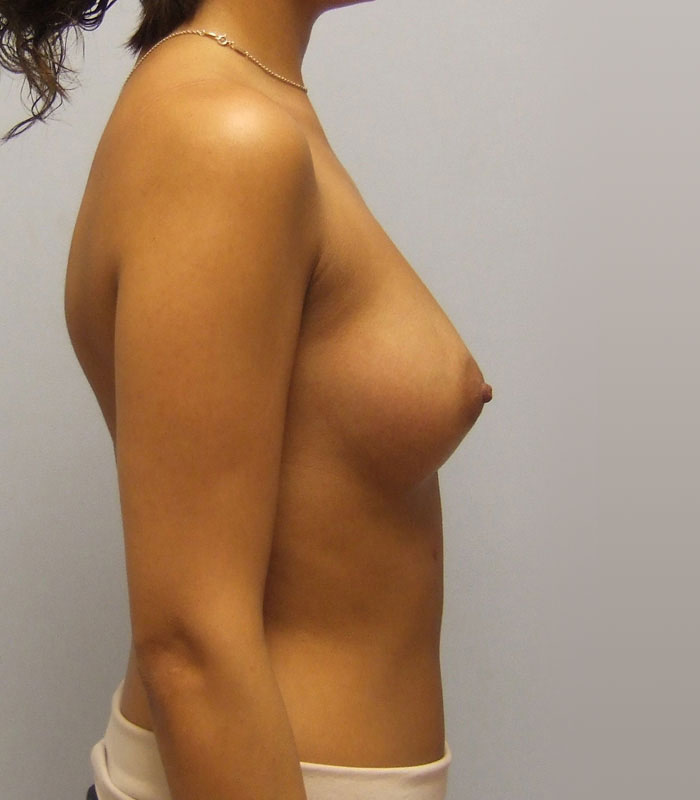
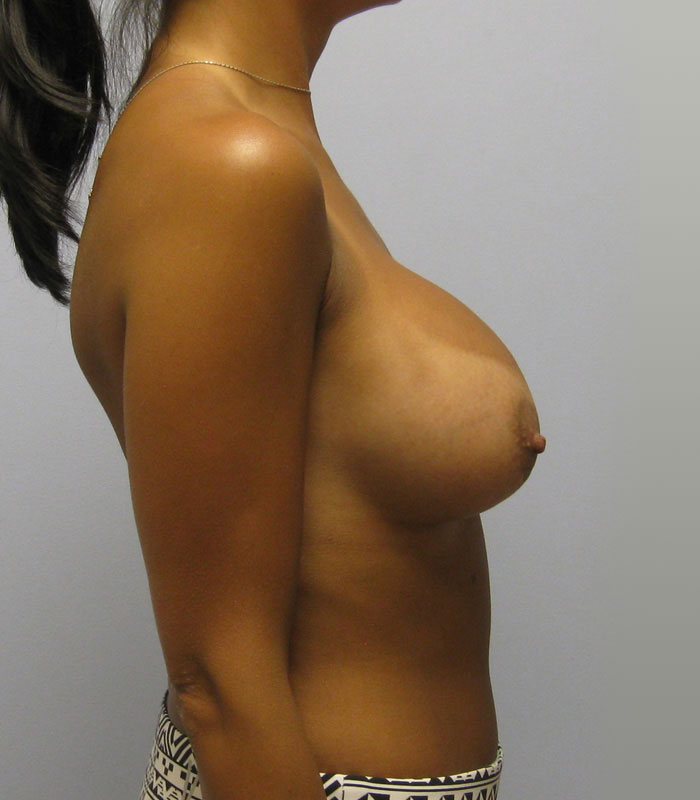
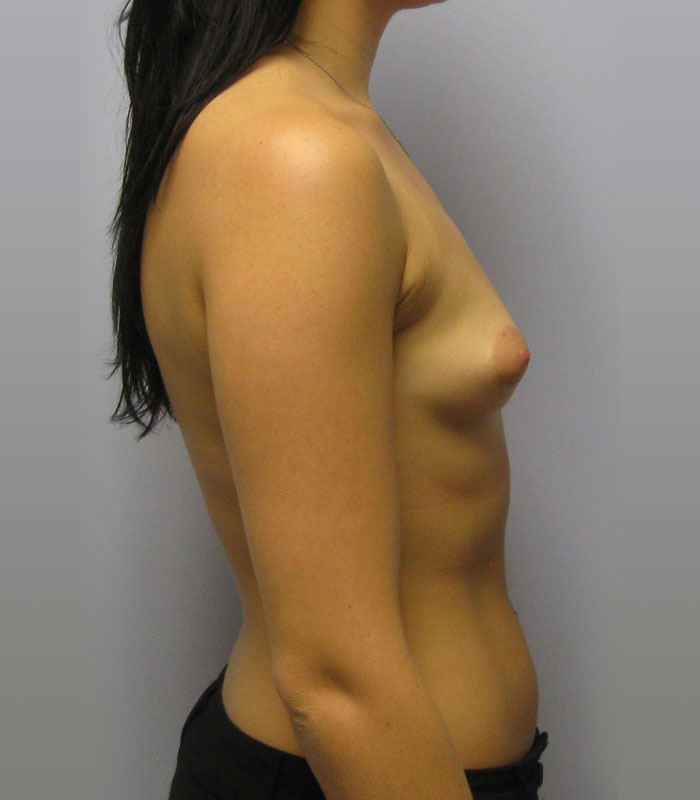
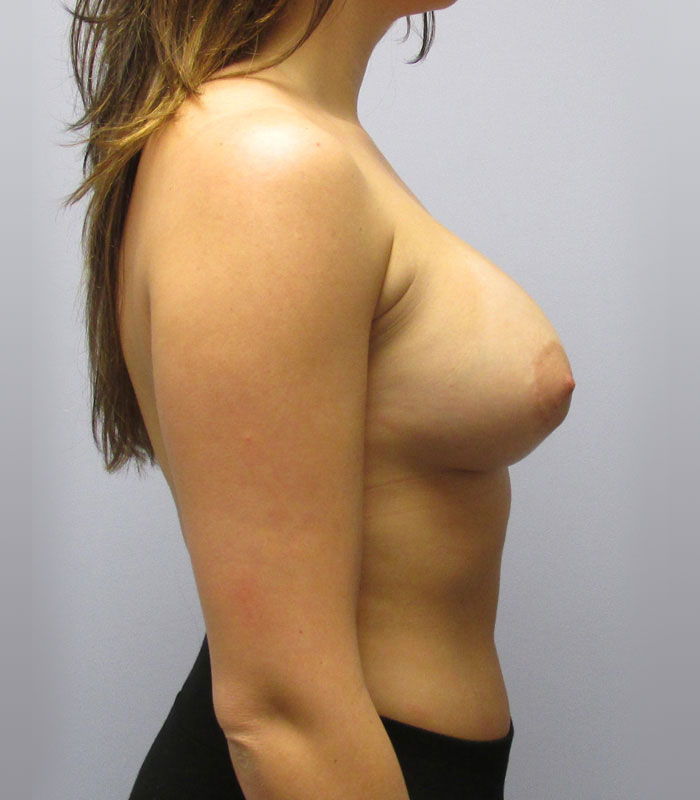
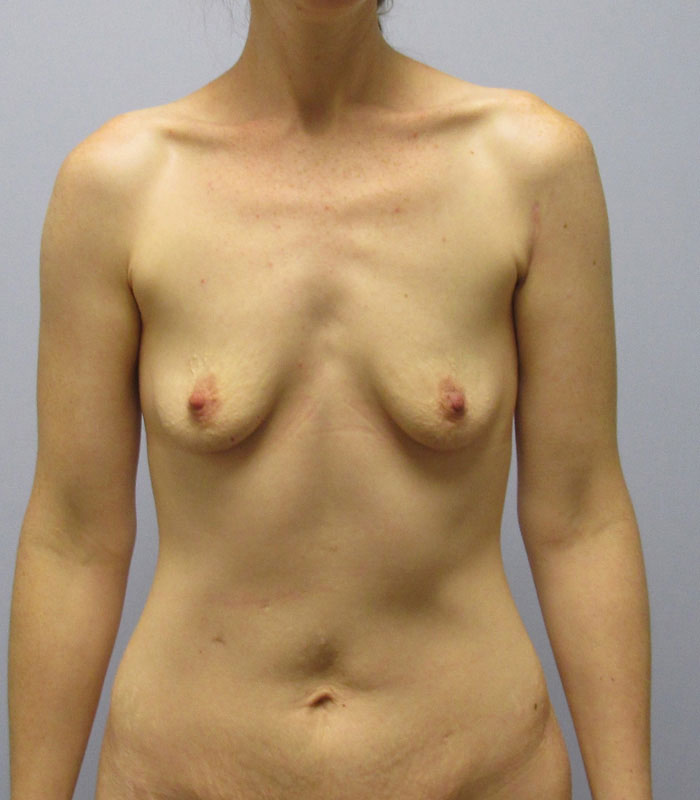
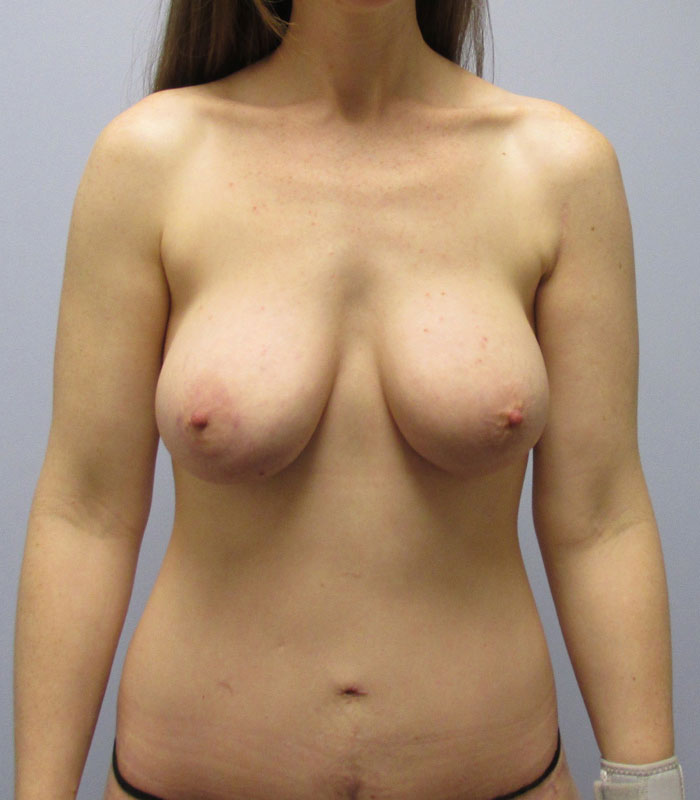
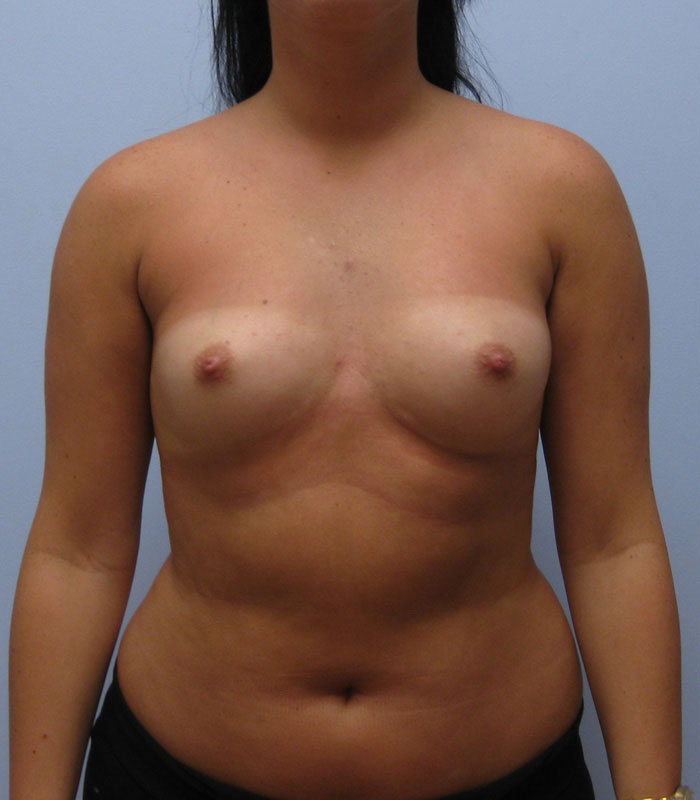
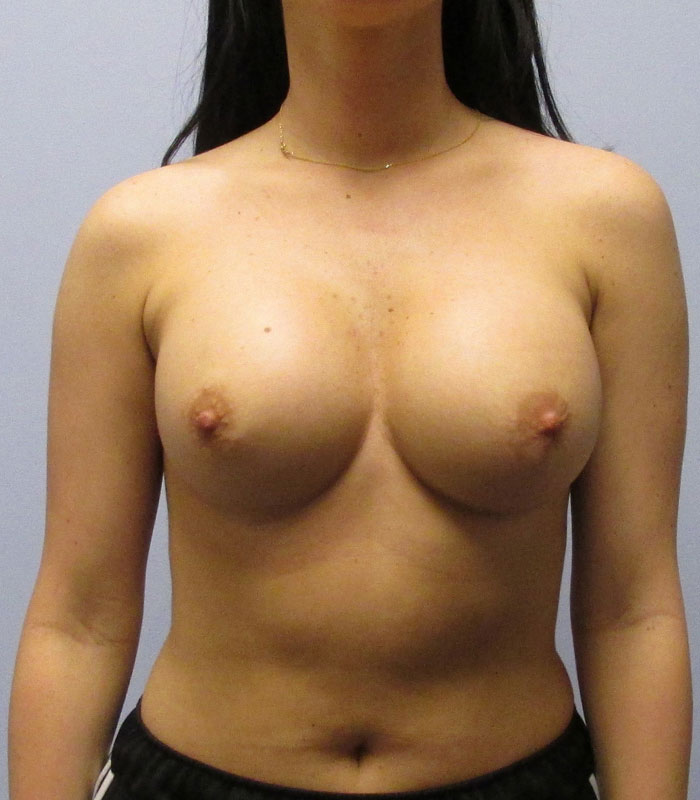
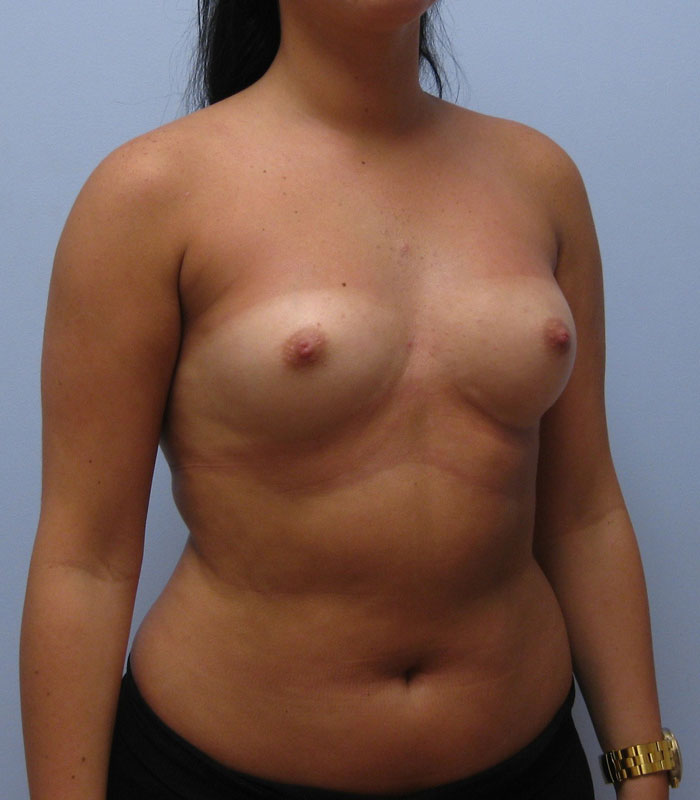
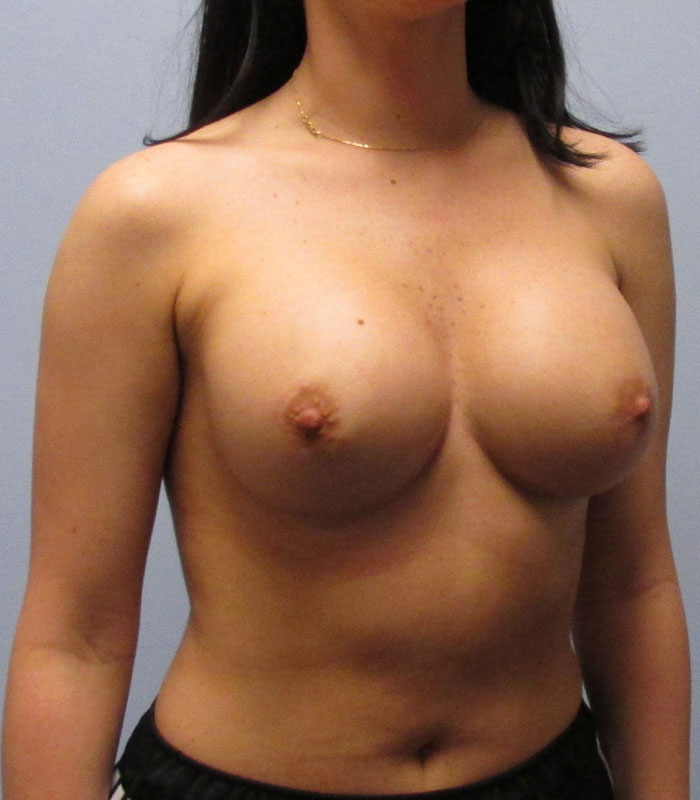
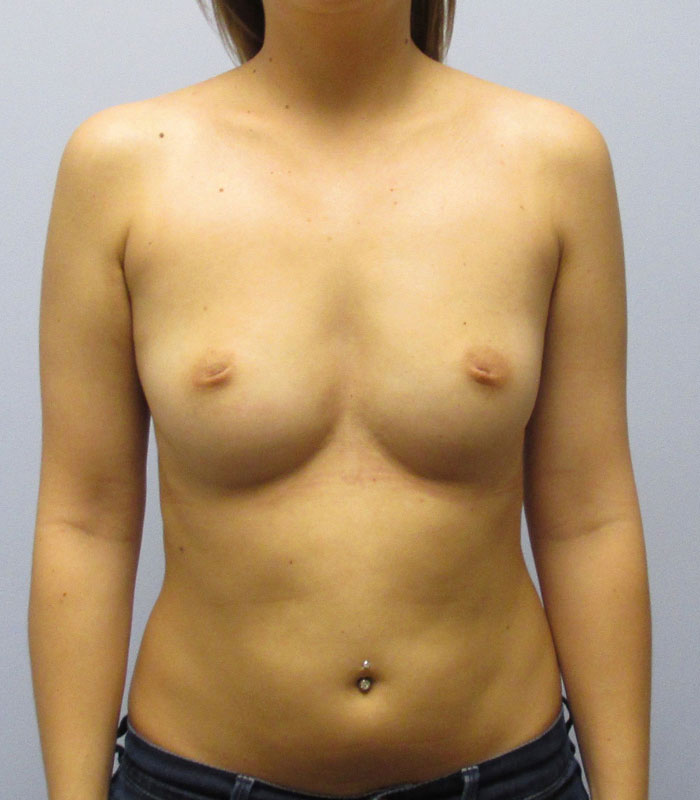
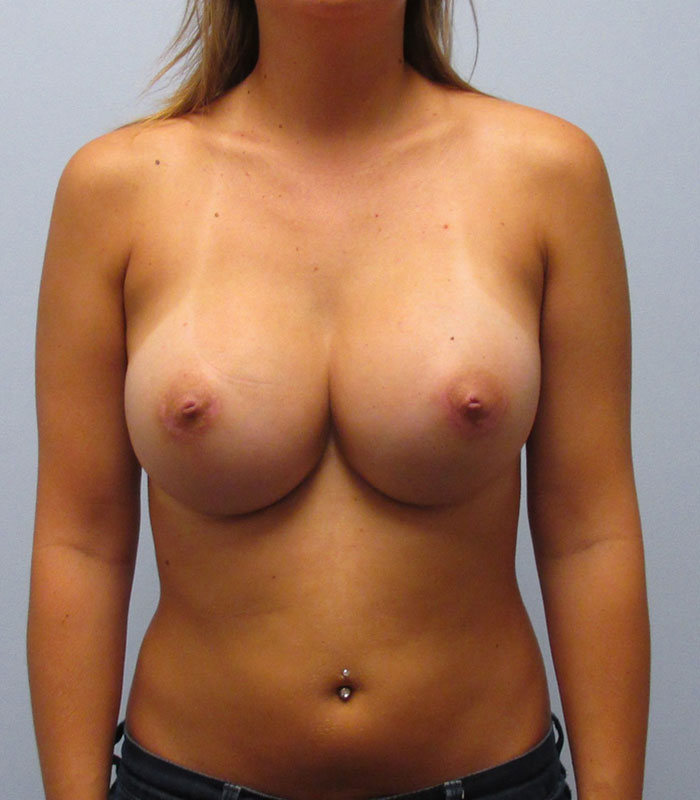
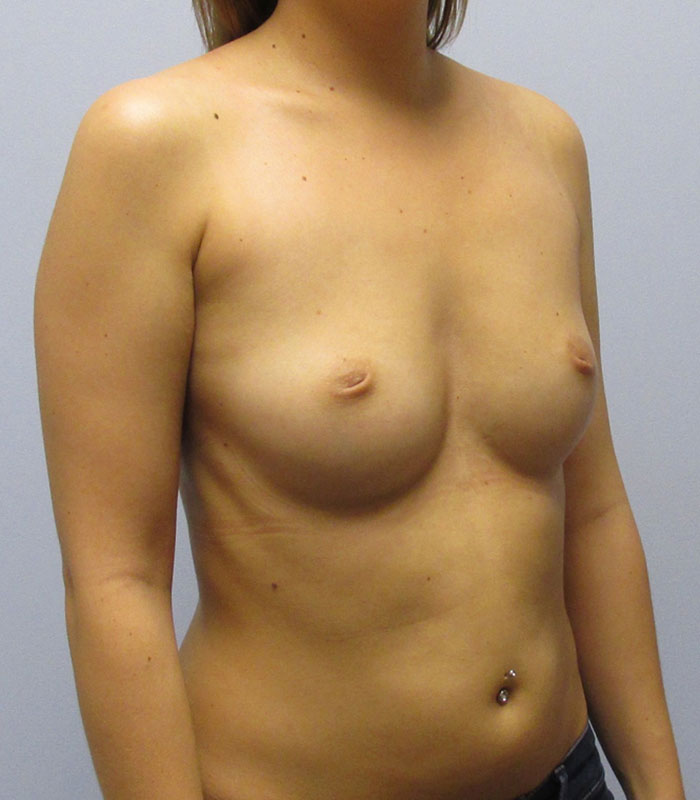
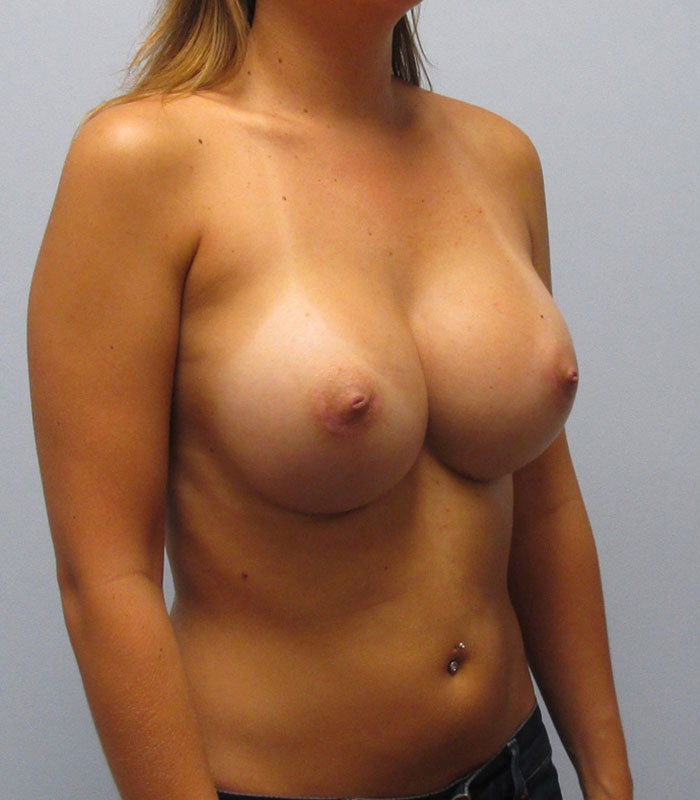
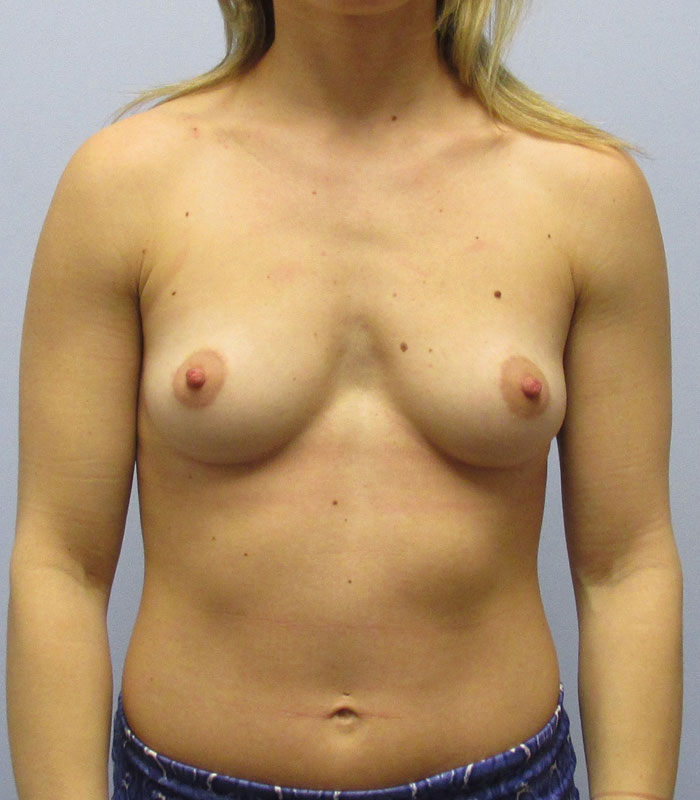
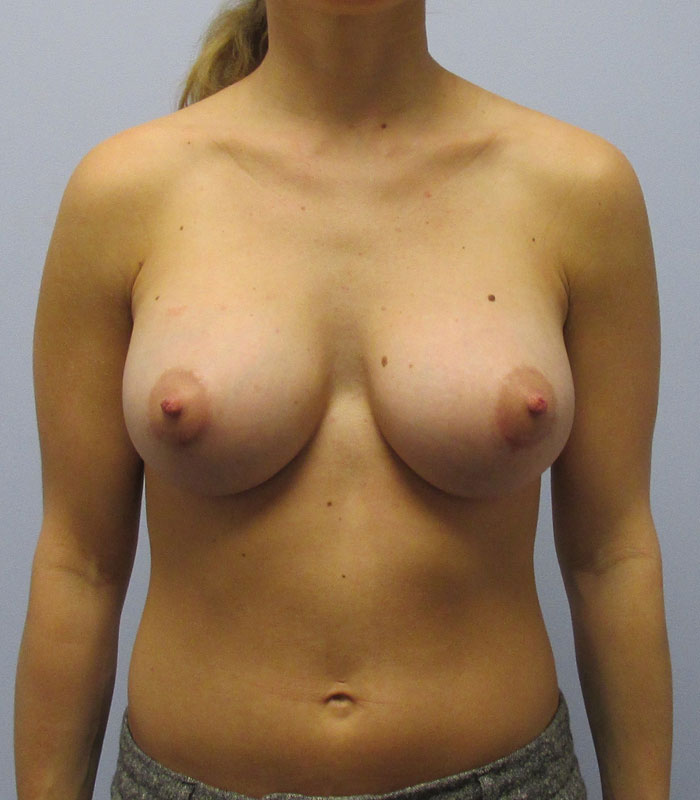
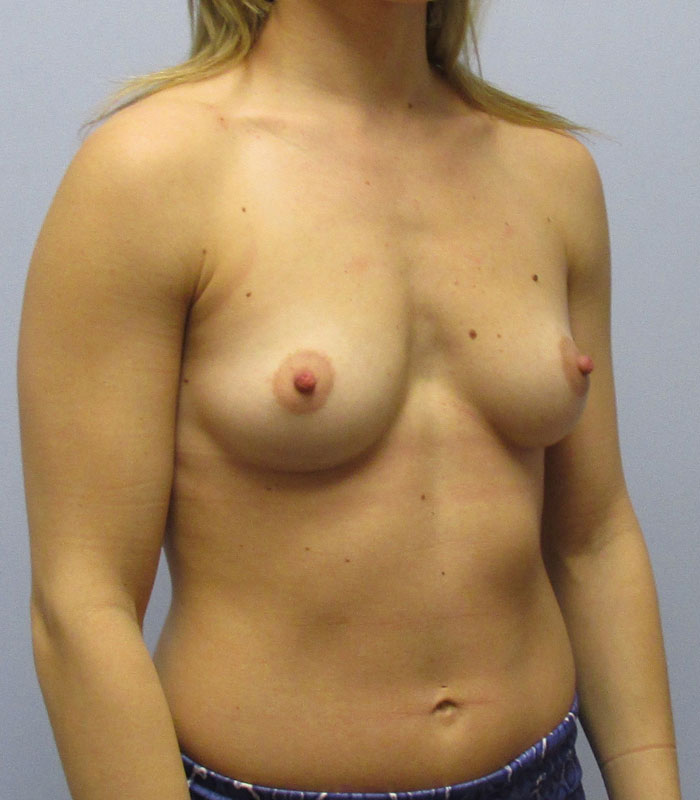
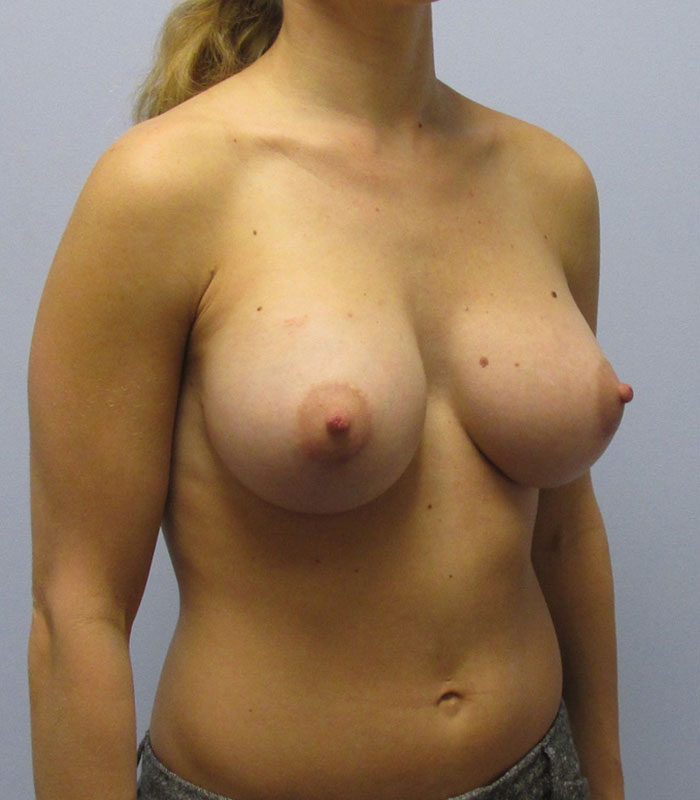
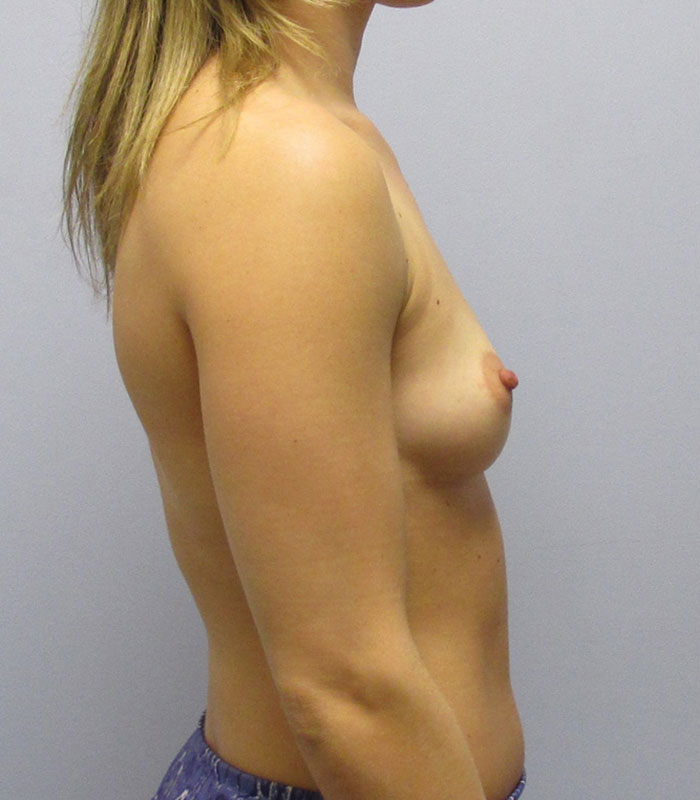
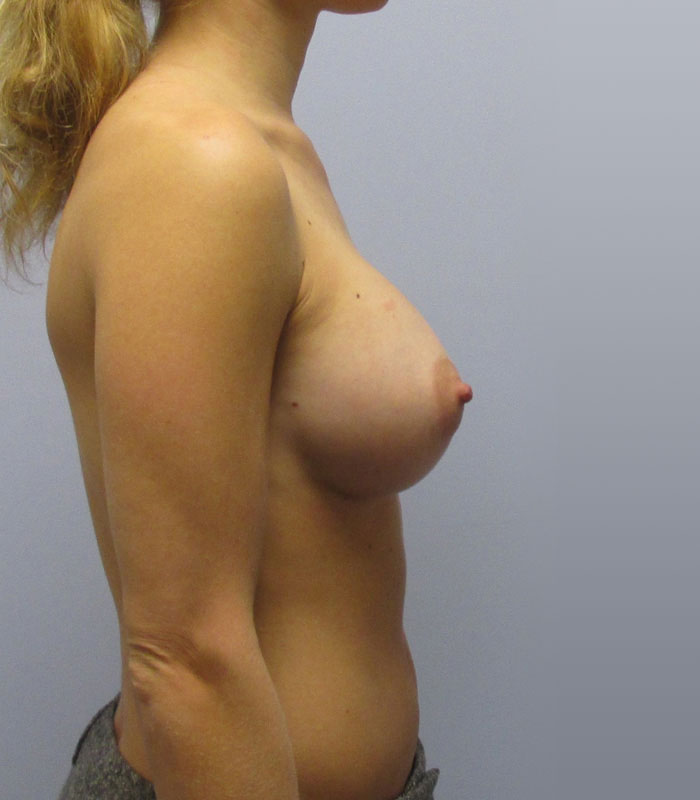
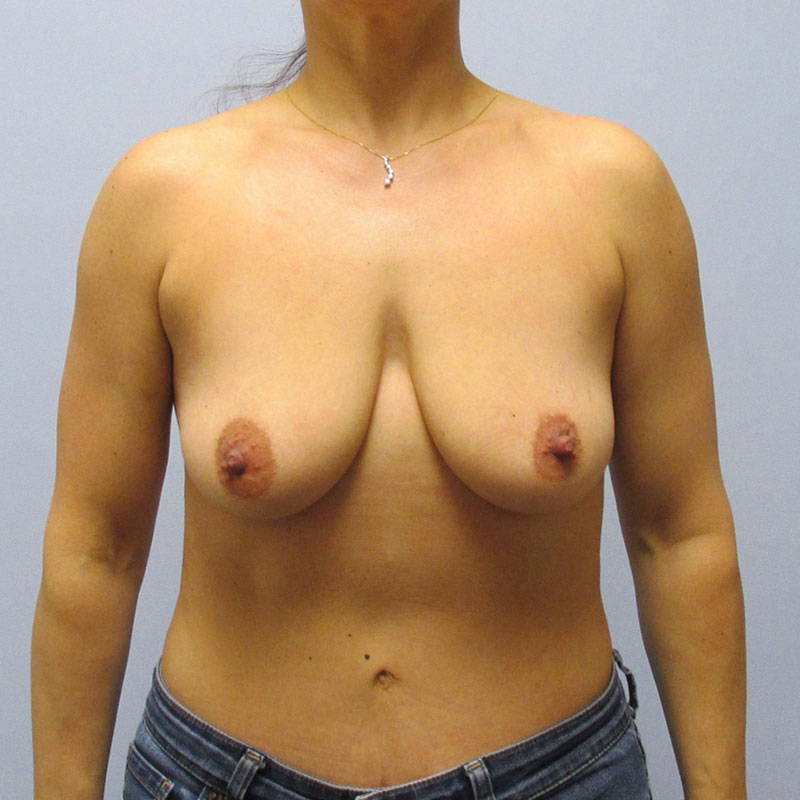
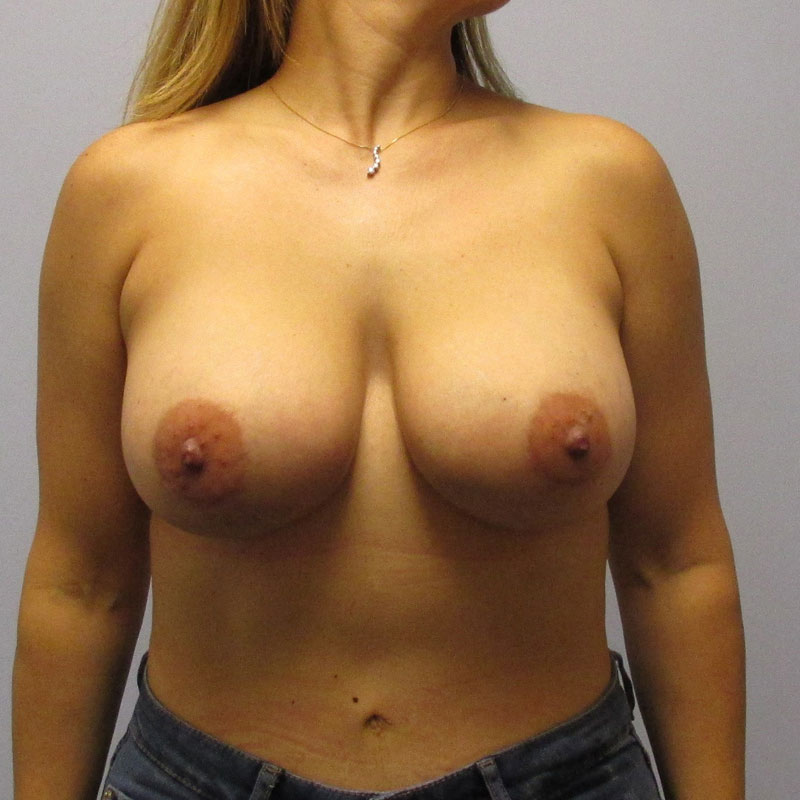
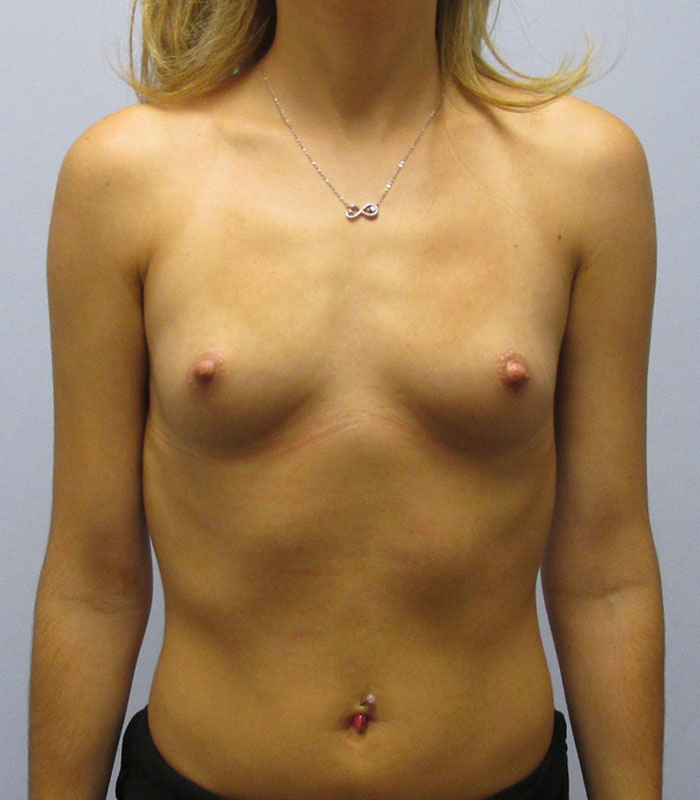
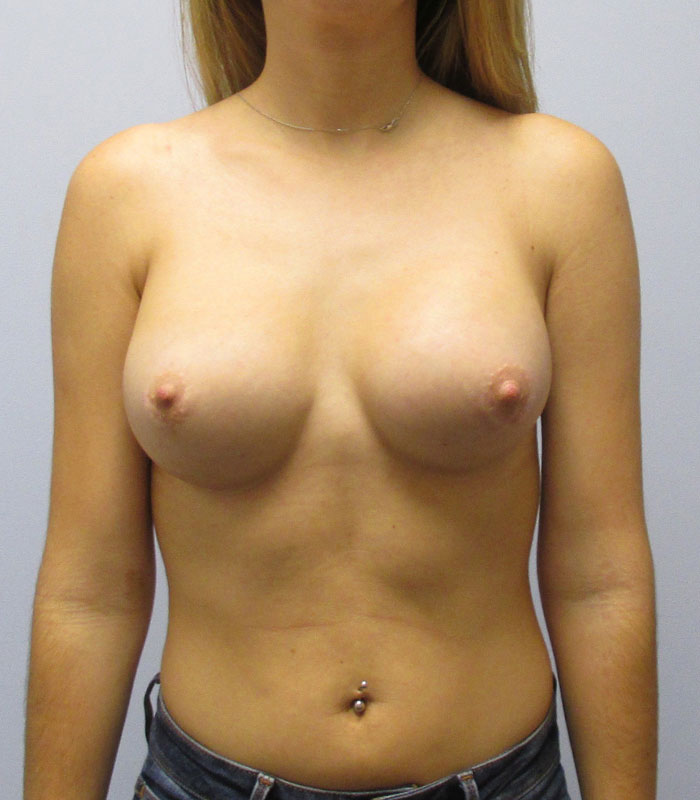
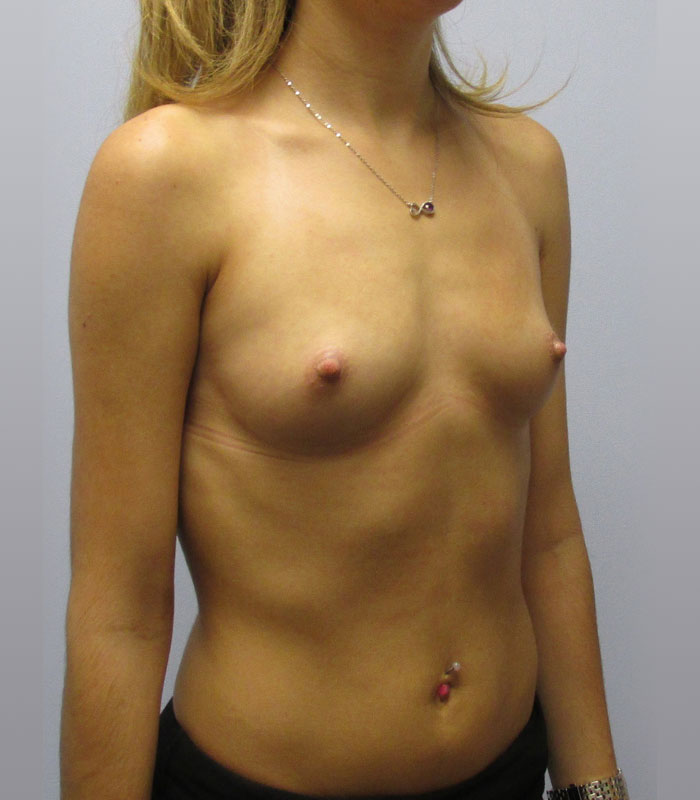
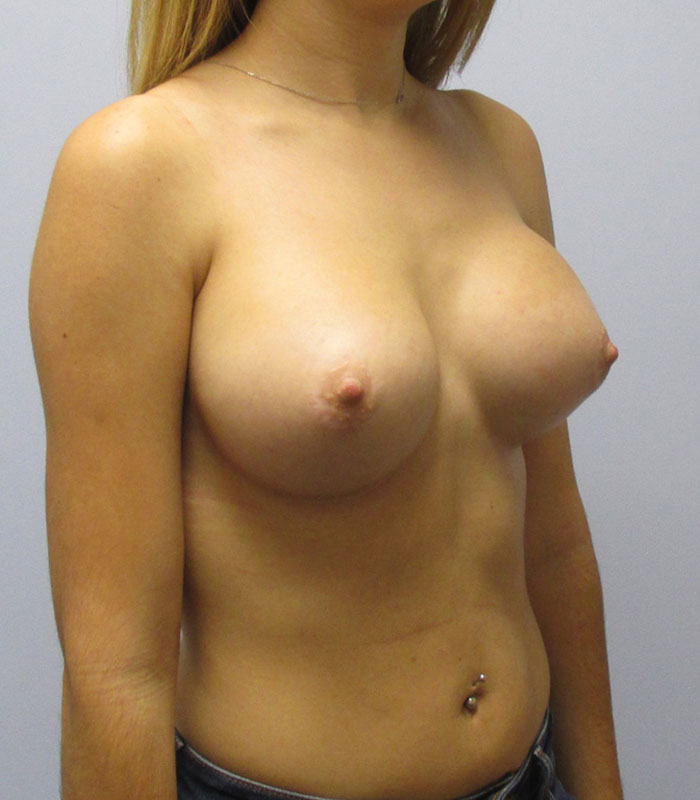
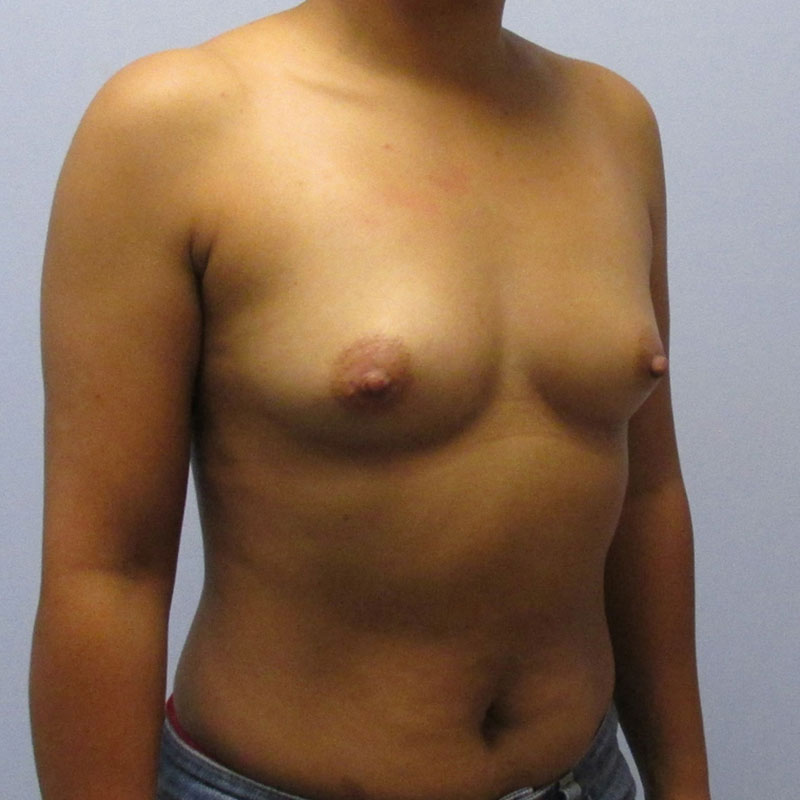
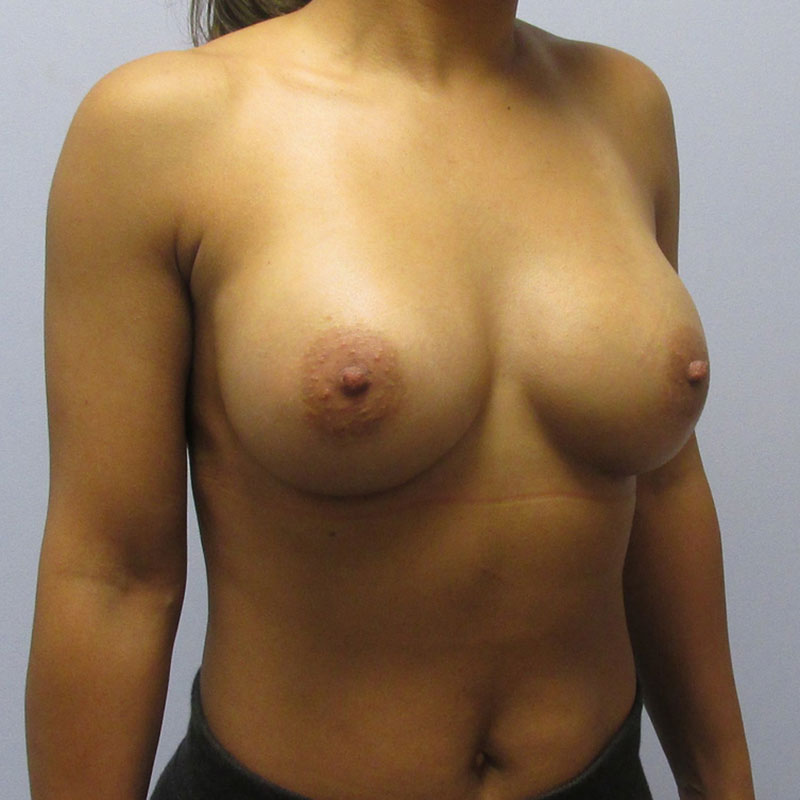
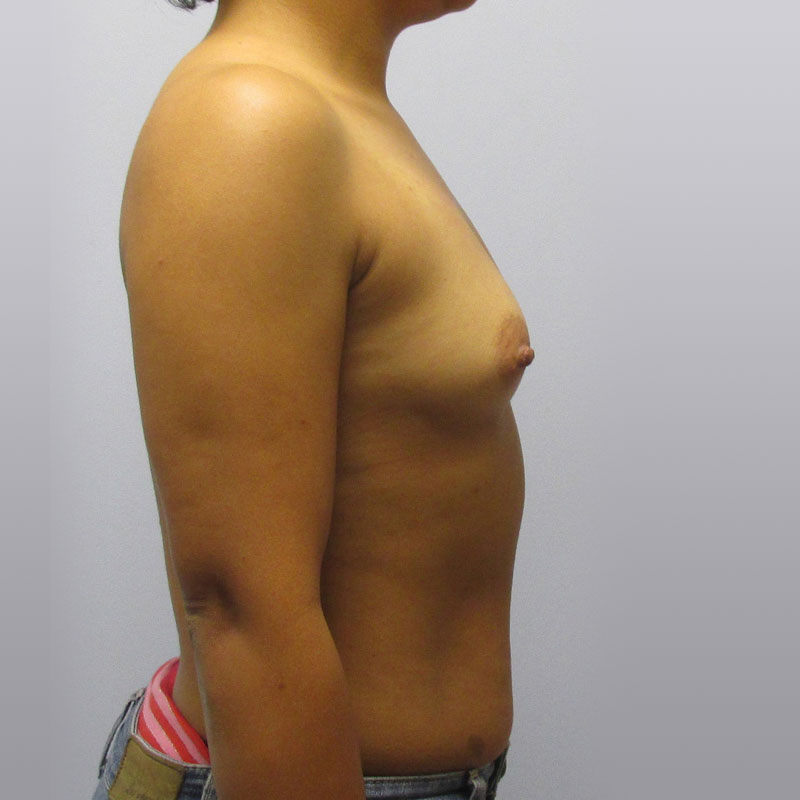
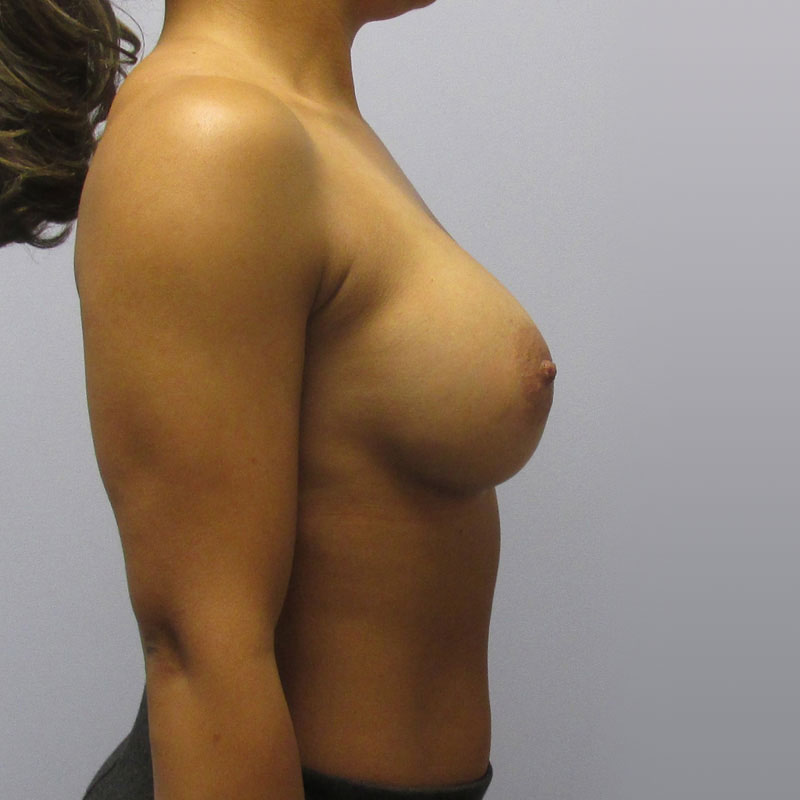
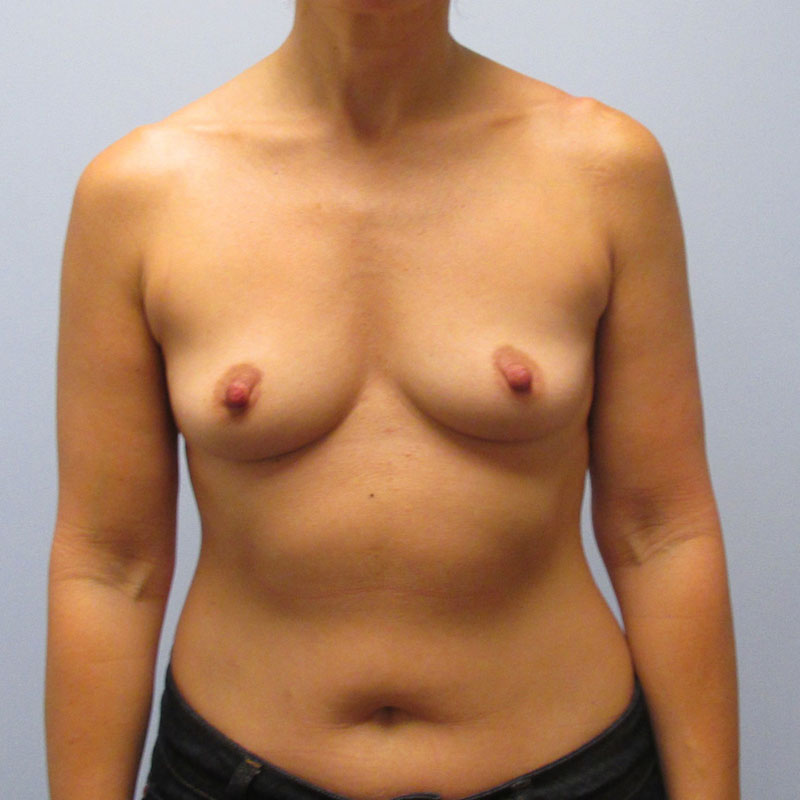
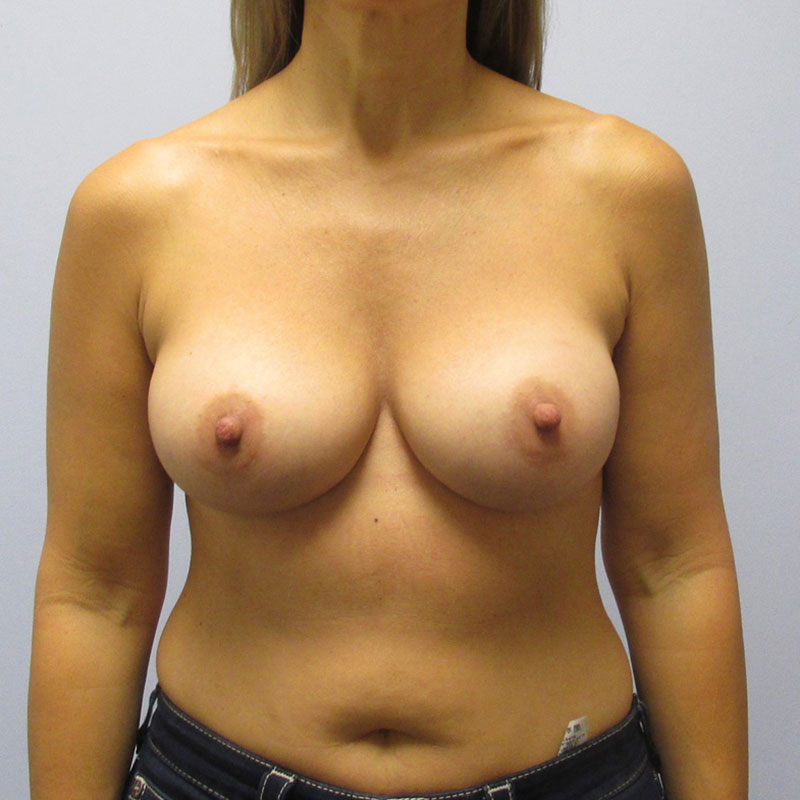
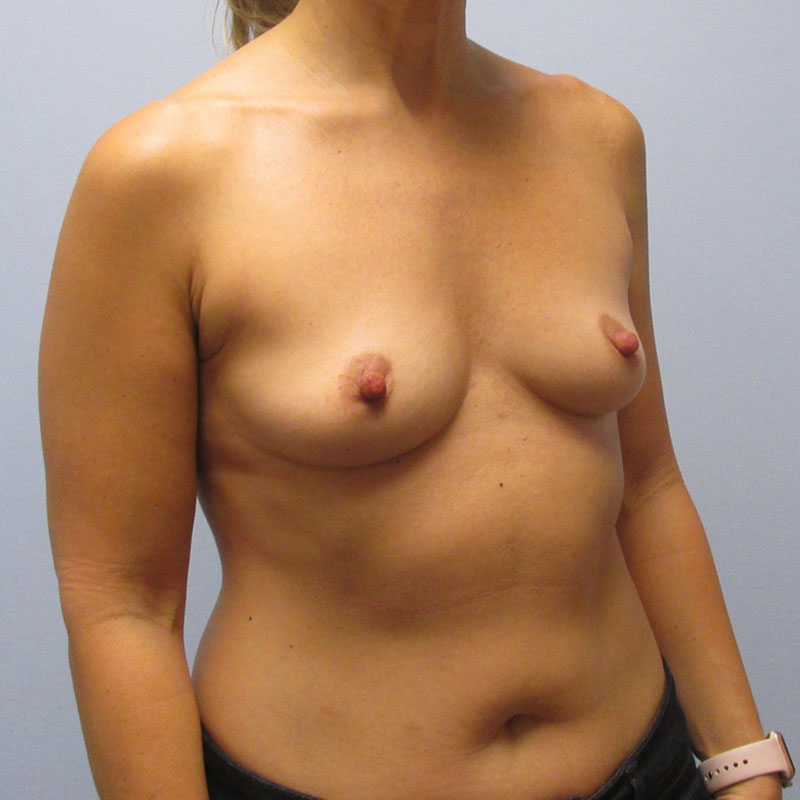
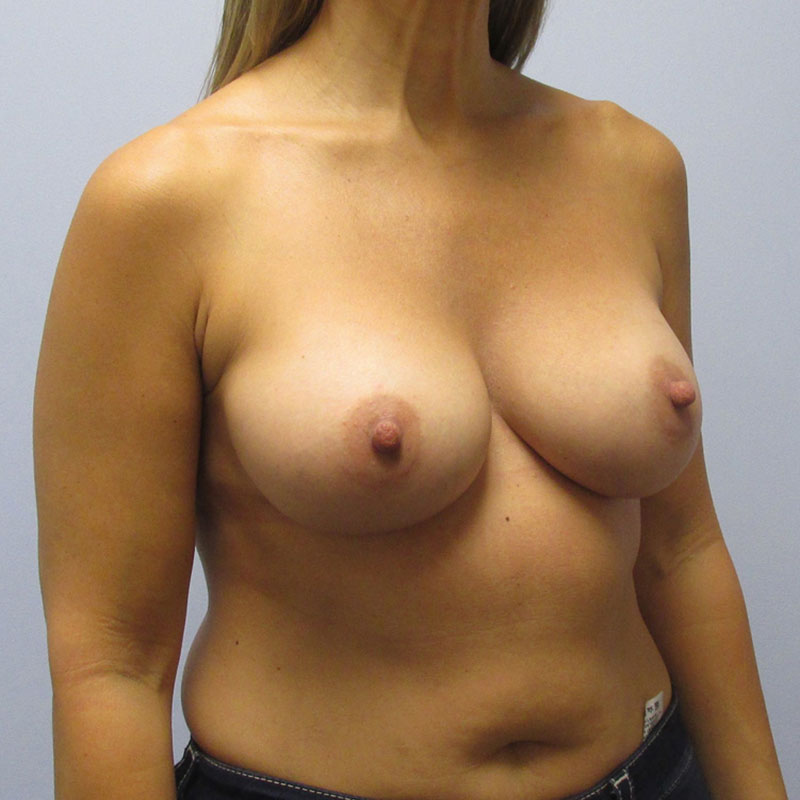
|
The Breast Augmentation Implant
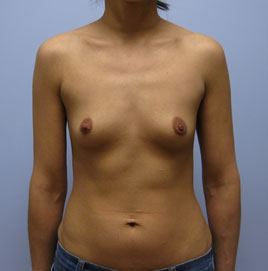
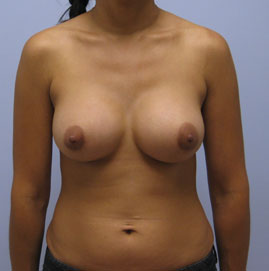
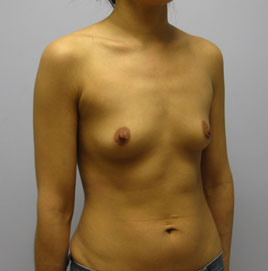
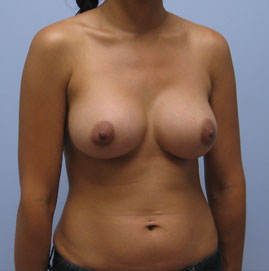
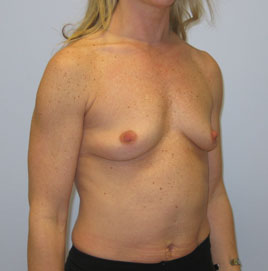
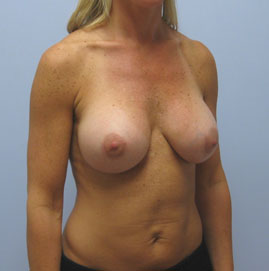
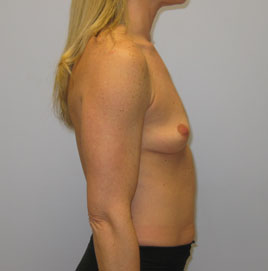
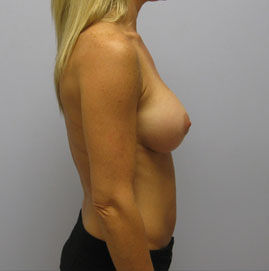
Several varieties of implants have been developed for breast augmentation over the last several decades. The implants in use today in the United States all have a silicone shell and are either saline filled or contain a silicon gel. In addition, the implants may have a surface that is smooth or textured and their shape may be either round or tear-drop. Dr. Capella's preference for saline or silicon, smooth or textured and round or tear-drop shaped depends on a patient’s particular clinical scenario. Dr. Capella will have a very detailed and thorough discussion with you over these various options.
The technique of breast augmentation can be performed through a number of different incisions, and with several variations of implants. In addition, the implant can be placed in two different spaces below the breast. The information provided below will explain Dr. Capella's preference with regard to each.
Breast Augmentation Incision
The three most common approaches are:
-inframammary, at the crease between the base of the breast and the chest
wall
-axillary, through the armpit
-areola, at the junction between areola and the surrounding skin
Every plastic surgeon has their preference for incision and each approach has its benefits and disadvantages. No one way is correct all of the time. Dr. Capella varies his choice of incision depending on the specific characteristics of the individual. To produce a pleasing appearing breast in augmentation surgery, a pocket below the breast must be created with very specific boundaries. In addition, through whatever incision is used, the patient's privacy regarding the procedure should be preserved as well.
back
to top
Level of Breast Augmentation Implant Placement
In addition to several types of incisions and implants, there are also two
possible locations for placement of the implant. The implant can placed
beneath the breast tissue, but on top of the pectoralis muscle. The second,
more common method, is to place the implant beneath the pectoralis muscle,
between the pectoralis and the ribs. The advantages of placing the implant
above the muscle are that it is less painful for the first few days and the
appearance of the implanted breast matures faster. In addition, contraction
of the pectoralis muscle, more noticeable in body-builders, has no effect on
the appearance of the breast. The advantages of placing the implant under
the muscle are several.
1.
|
It provides a more natural appearing breast with a better transition
from the upper chest to the breast mound.
|
2.
|
The rates of scarring around the implant are significantly lower
when the implant is placed beneath the muscle.
|
3.
|
The risk of visible ripples or folds in the implant envelope (a more
common problem with saline than with silicone implants) is diminished
because of the greater amount of the patient's own tissue overlying the
prosthesis.
|
4.
|
The ability to obtain an adequate mammogram is enhanced with
placement under the muscle, as the mammogram technician is better able
to separate the breast from the implant when the muscle is interposed.
|
With the exception of patients who are body builders, Dr. Capella recommends
the subpectoral technique to his patients.
back
to top
Breast Augmentation Consultation
At the initial consultation, Dr. Capella obtains a pertinent medical and
family history, with a particular emphasis on breast issues. The timing of
the most recent mammogram may be requested. He will also need to define the
general goals and expectations of the patient. A focused physical
examination will be performed. The doctor's examination will address issues
such as the size and symmetry of the patient's breasts and chest wall, and
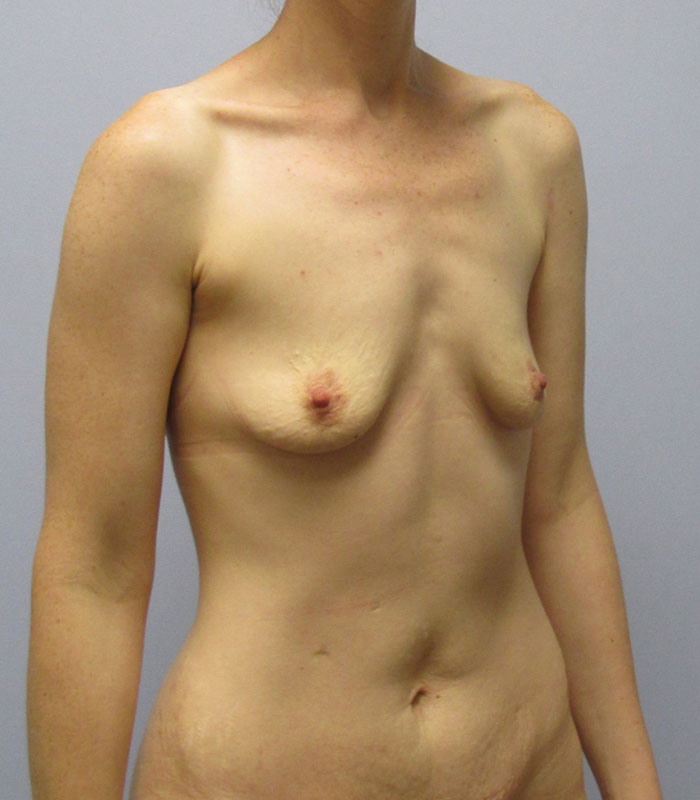
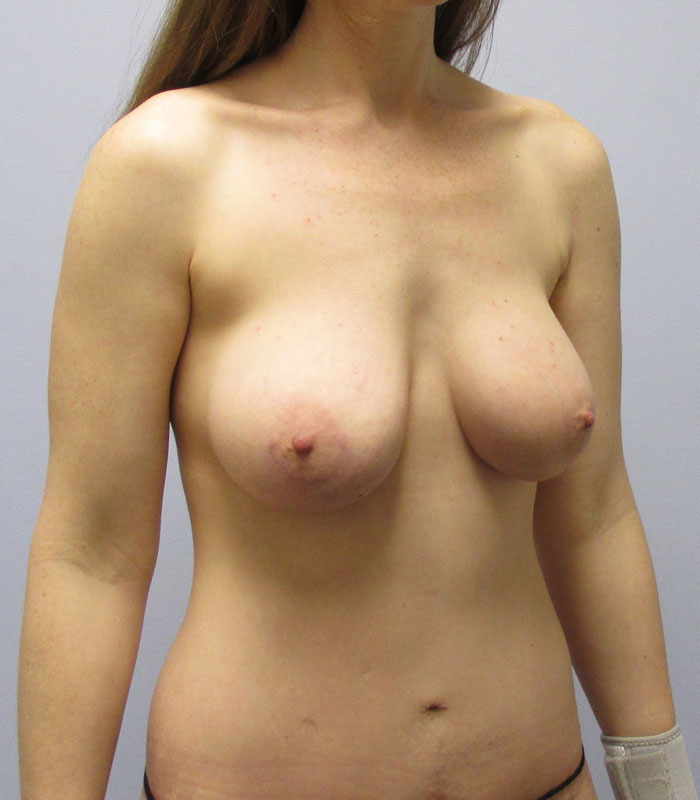
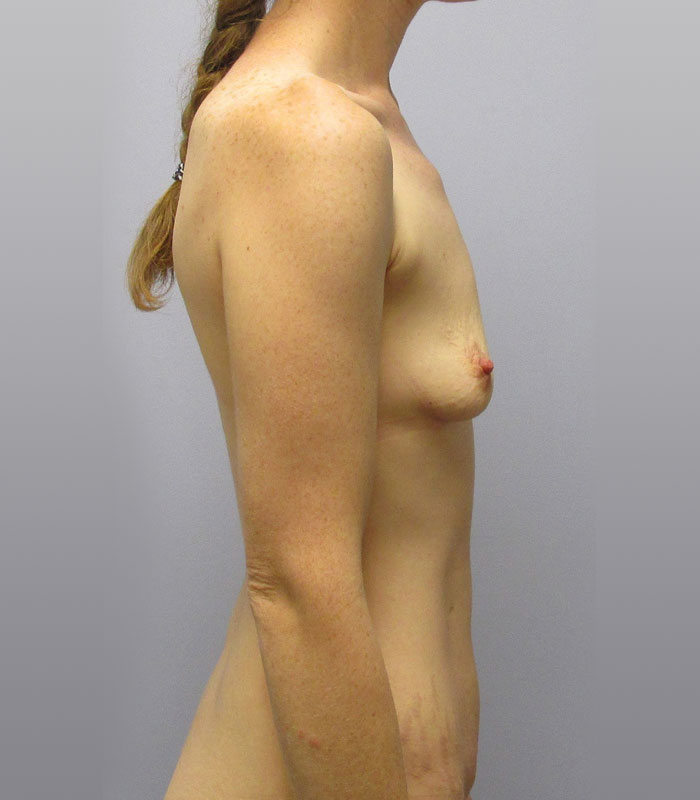
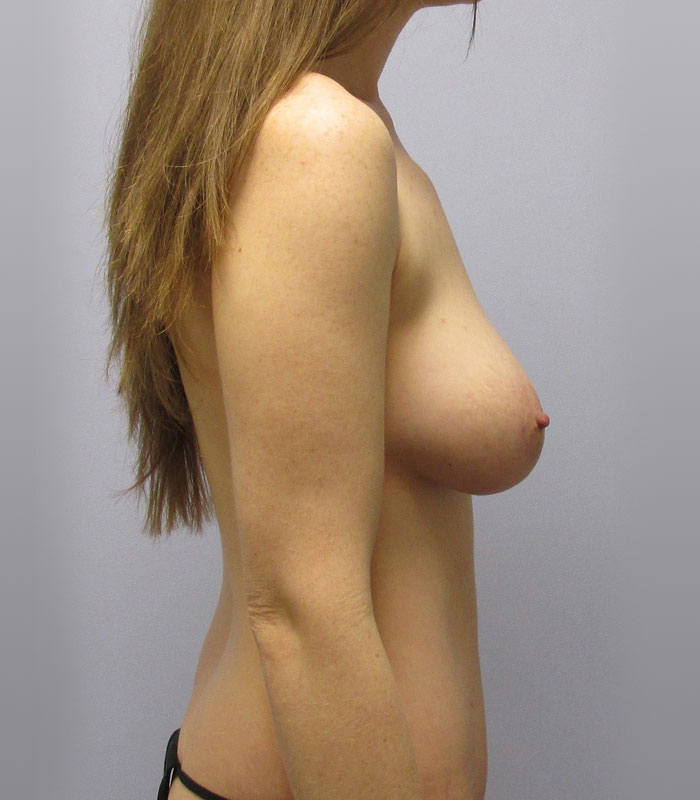
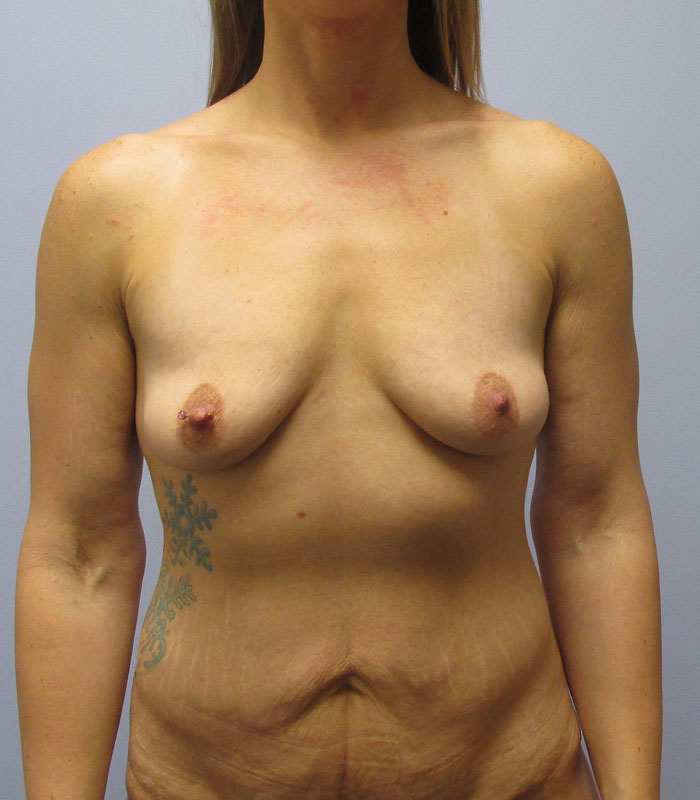
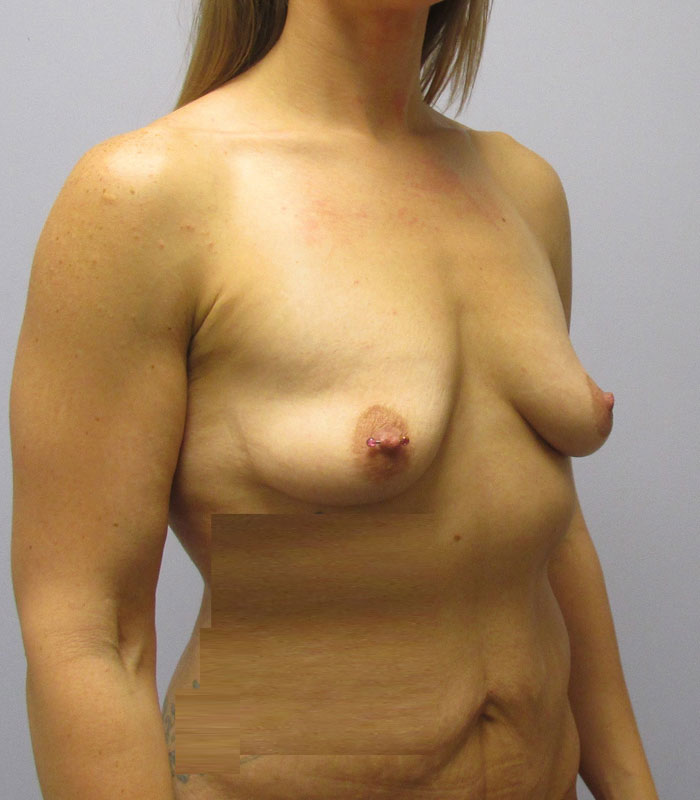
whether sagging is present, and if so how much. If the patients breasts are
sagging, breast augmentation alone may not be satisfactory. In these cases,
a procedure to lift the position of the nipple (mastopexy) may be combined
with augmentation to achieve a satisfactory result. A difference in the size
of women's breasts or asymmetry is very common. It is common for a patient
to require implants of a different volume to achieve greater symmetry.
The other important objective of the initial visit is for the patient to
clearly relay her desires for size. While bra cup size is a widely used
method for categorizing breast size, it is imprecise and subjective. Dr.
Capella's goal is to place the choice of implant size in the patient's hands
and to provide suggestions when he feels necessary. While several techniques
exist for sizing implants for prospective patients, Dr. Capella prefers to
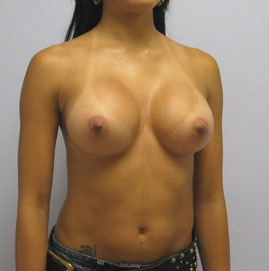
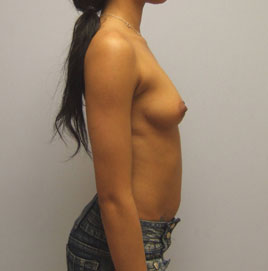
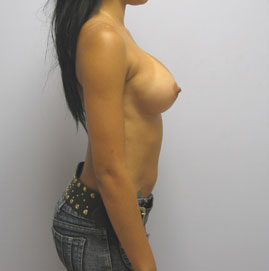
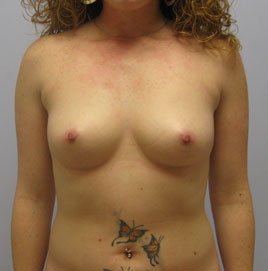
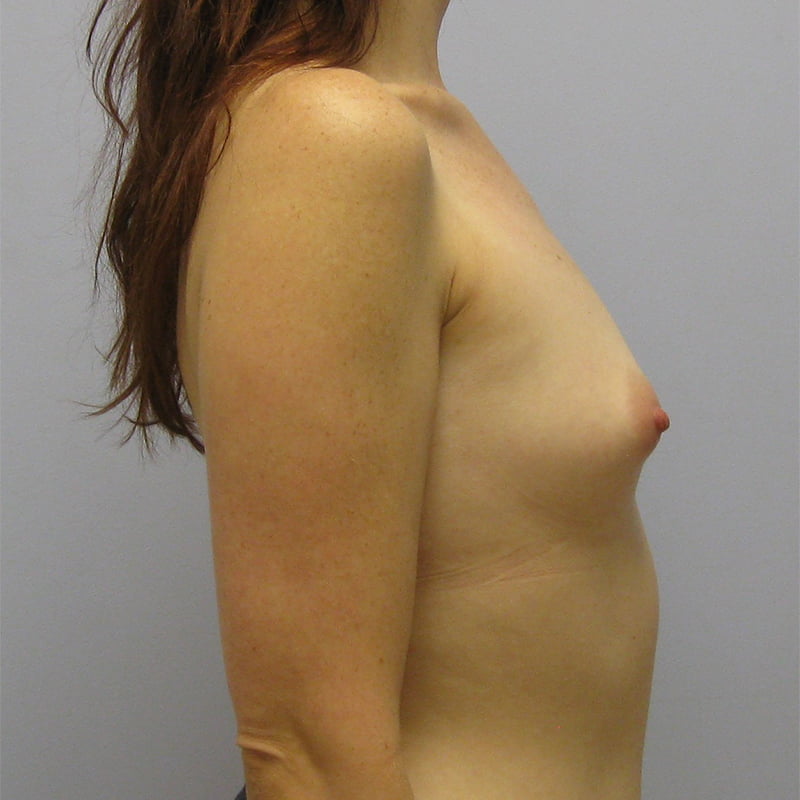
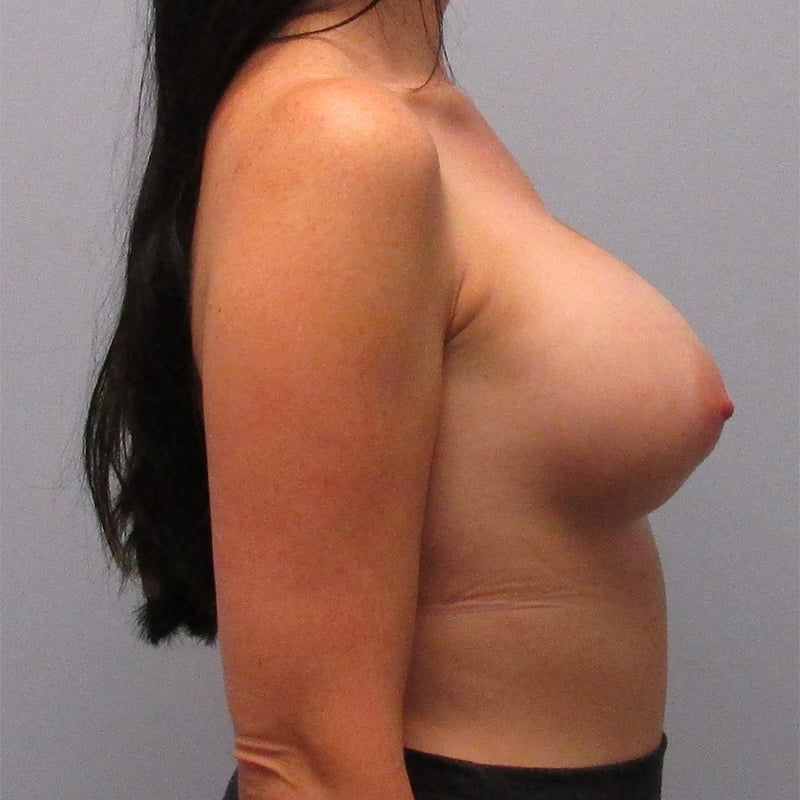
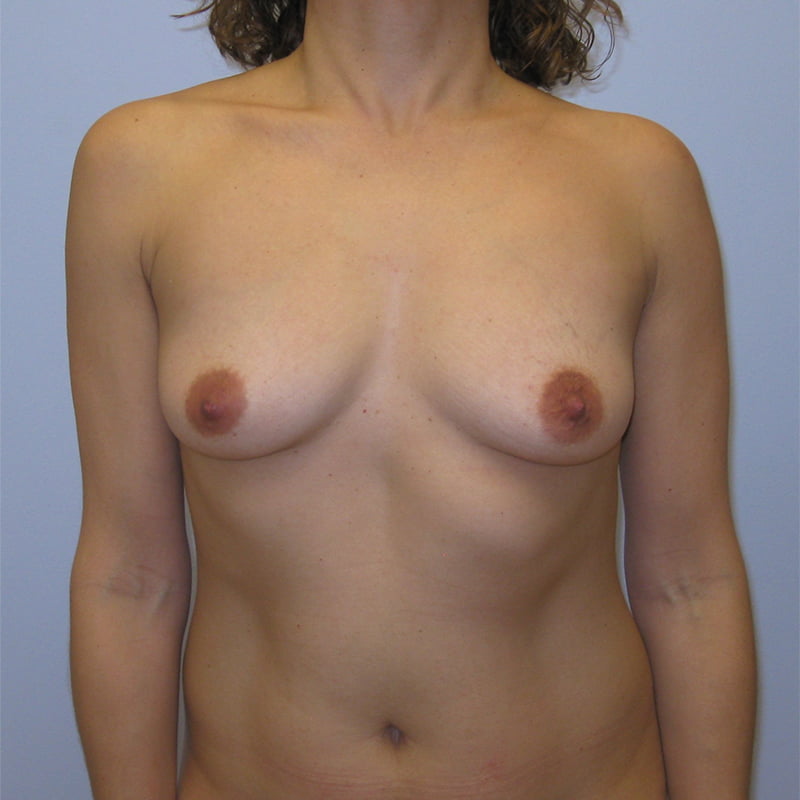
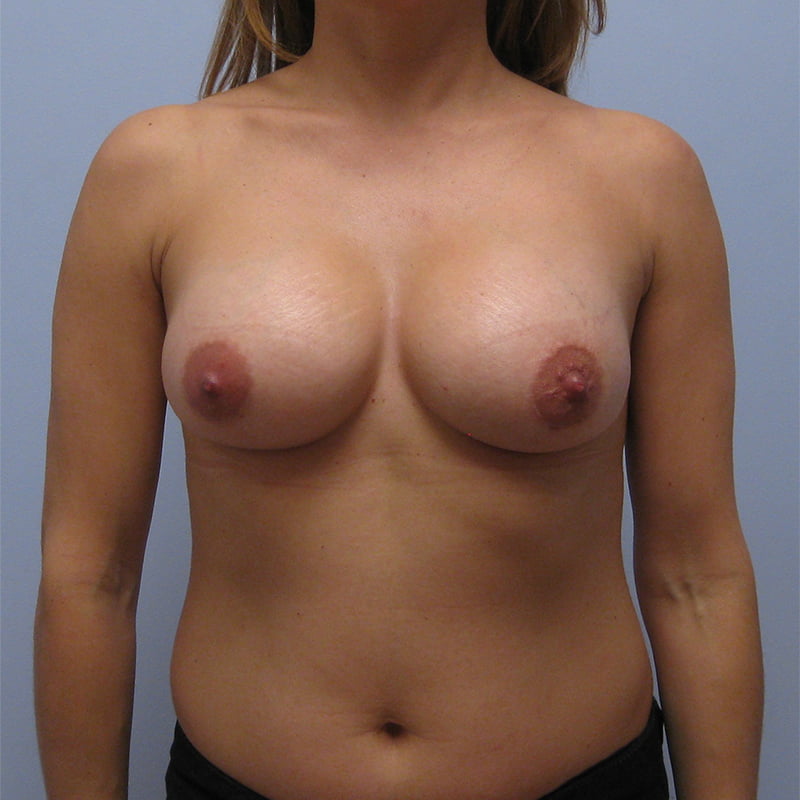
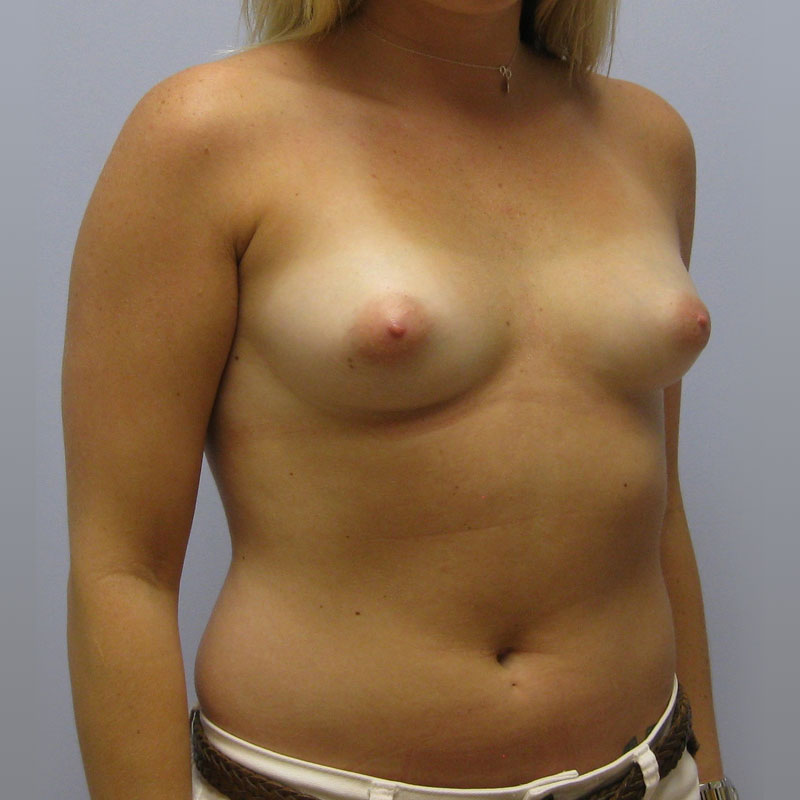
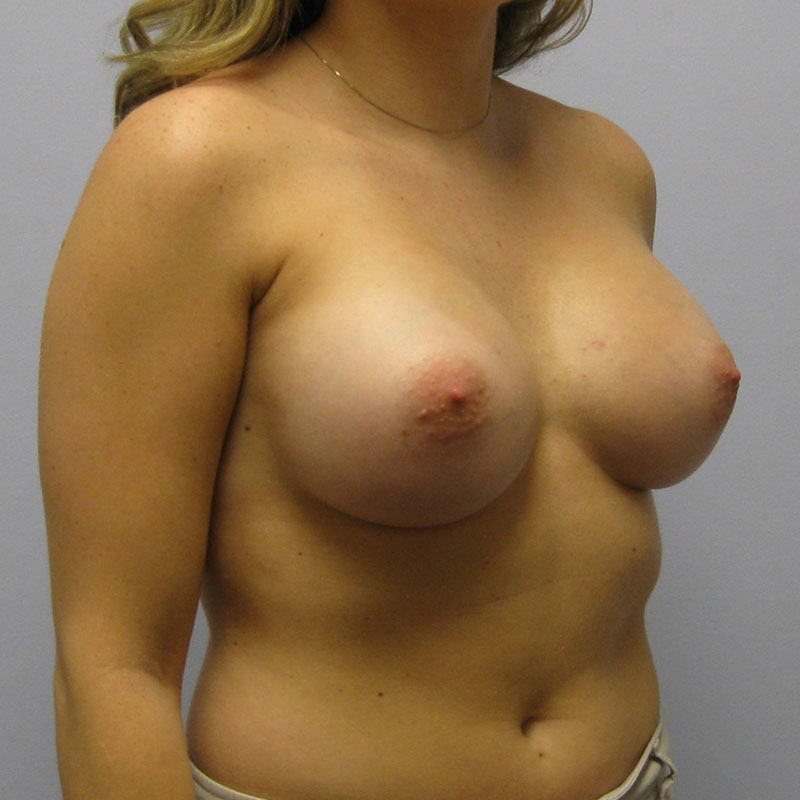
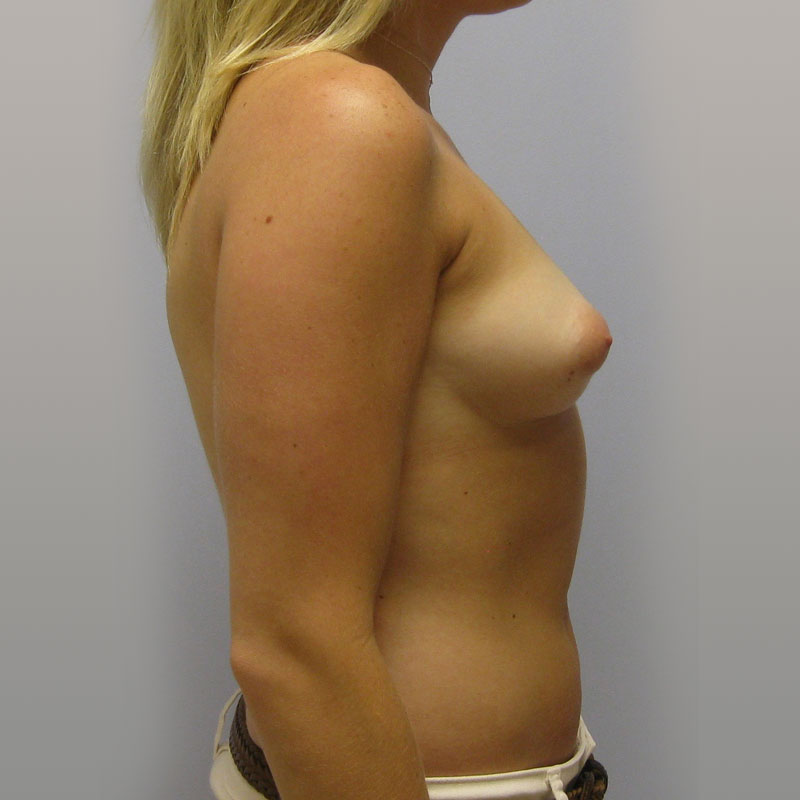
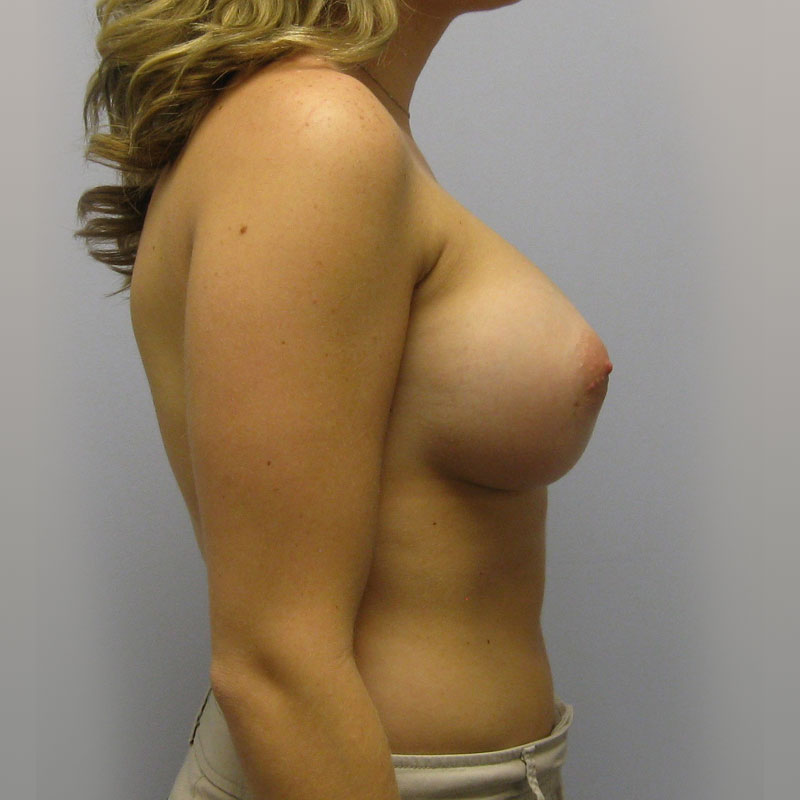
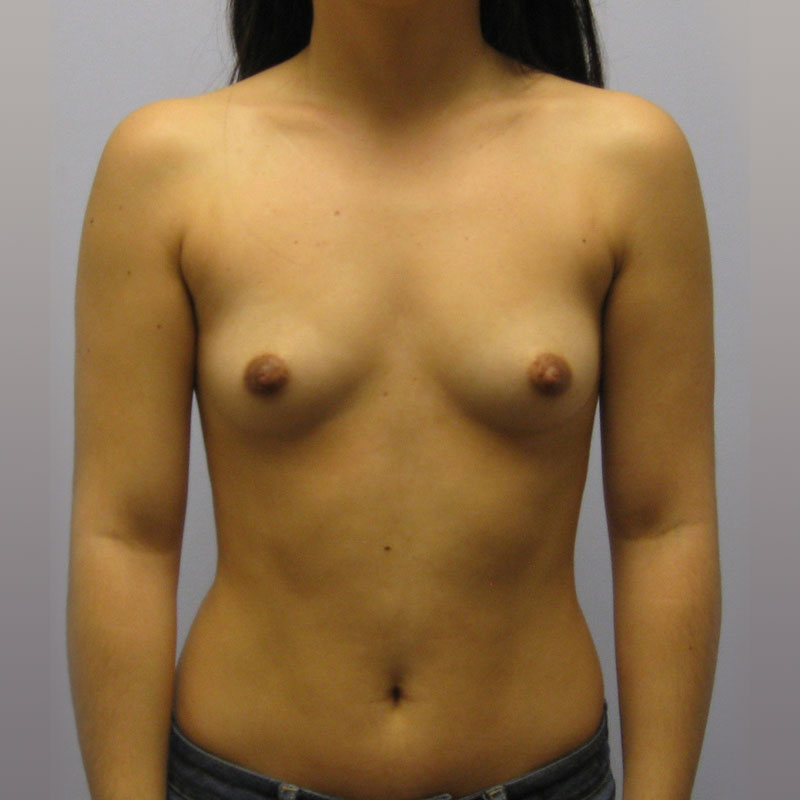
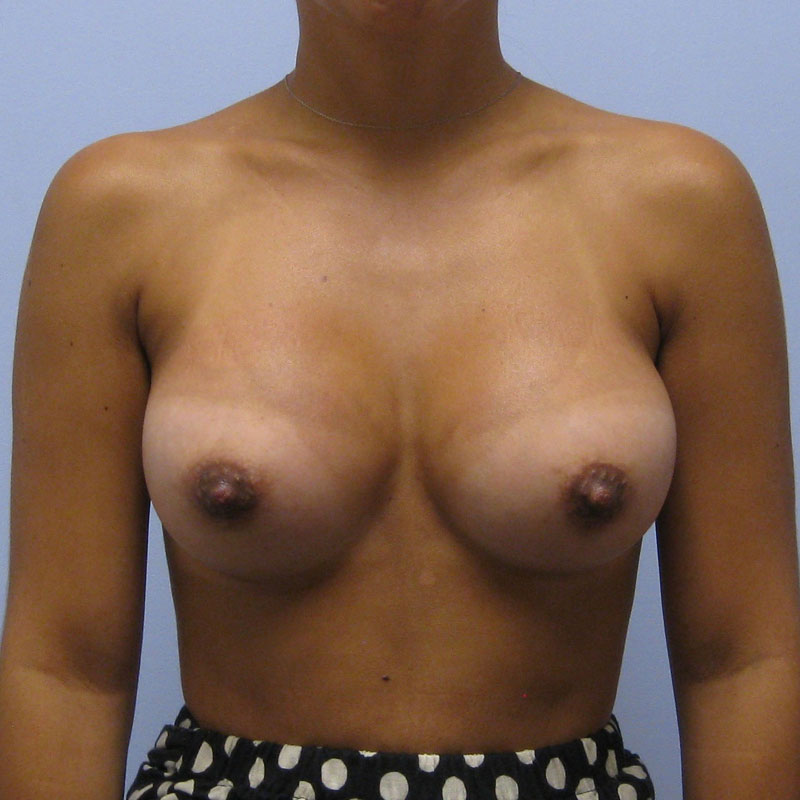
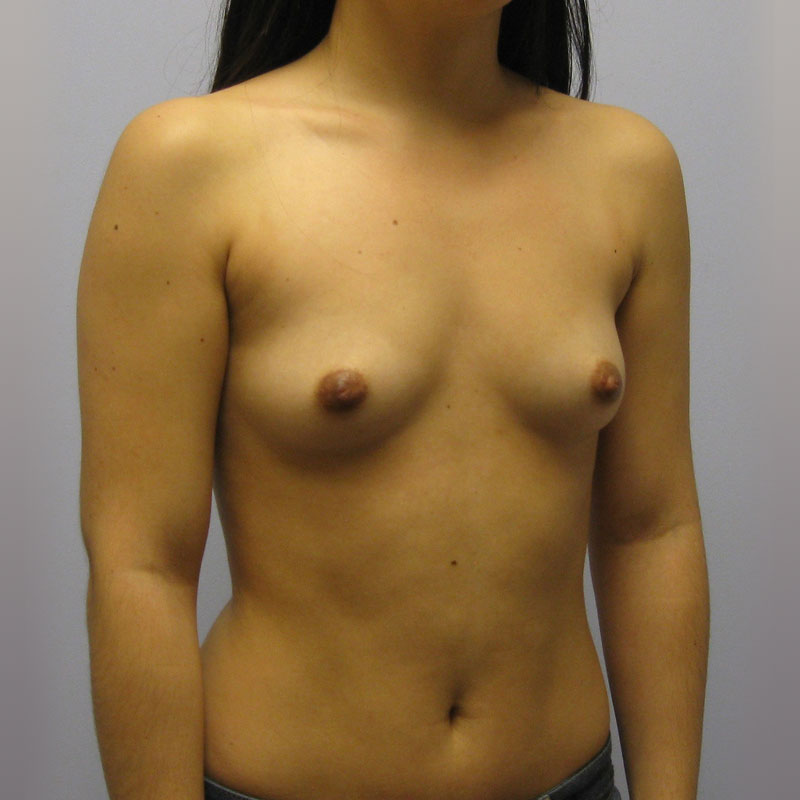
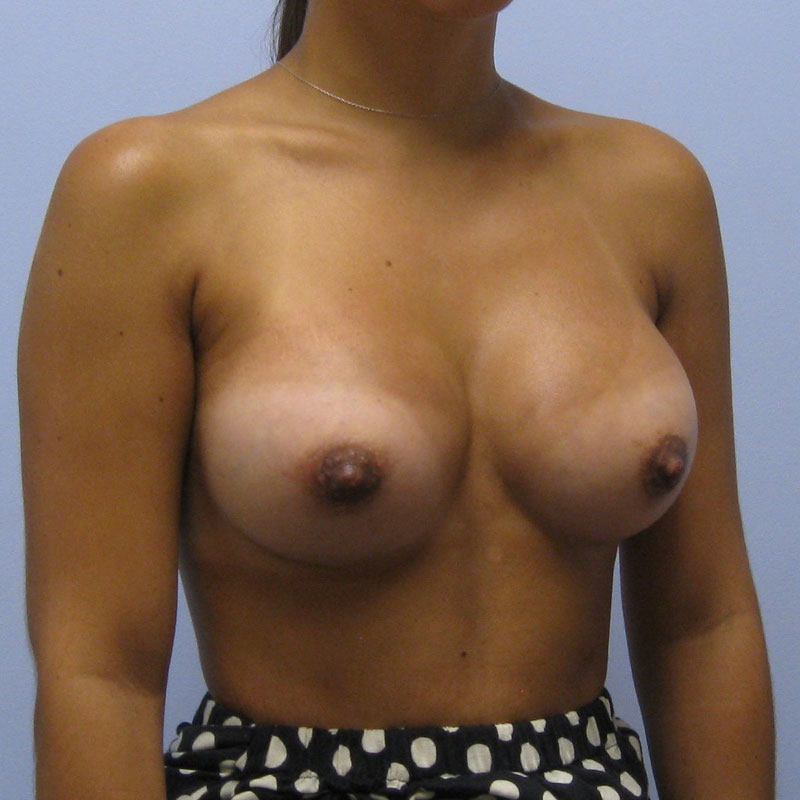
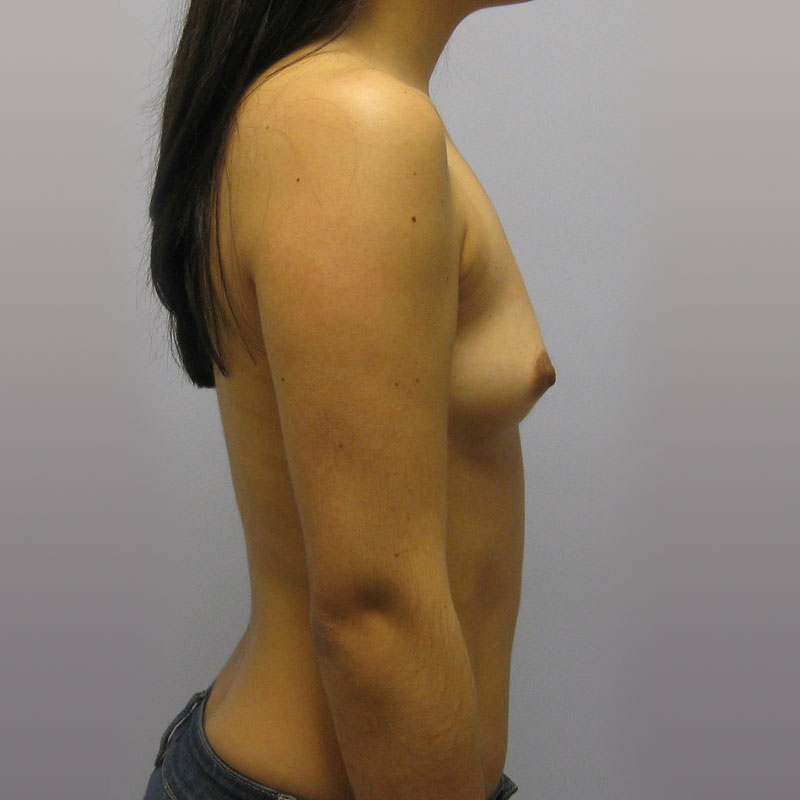
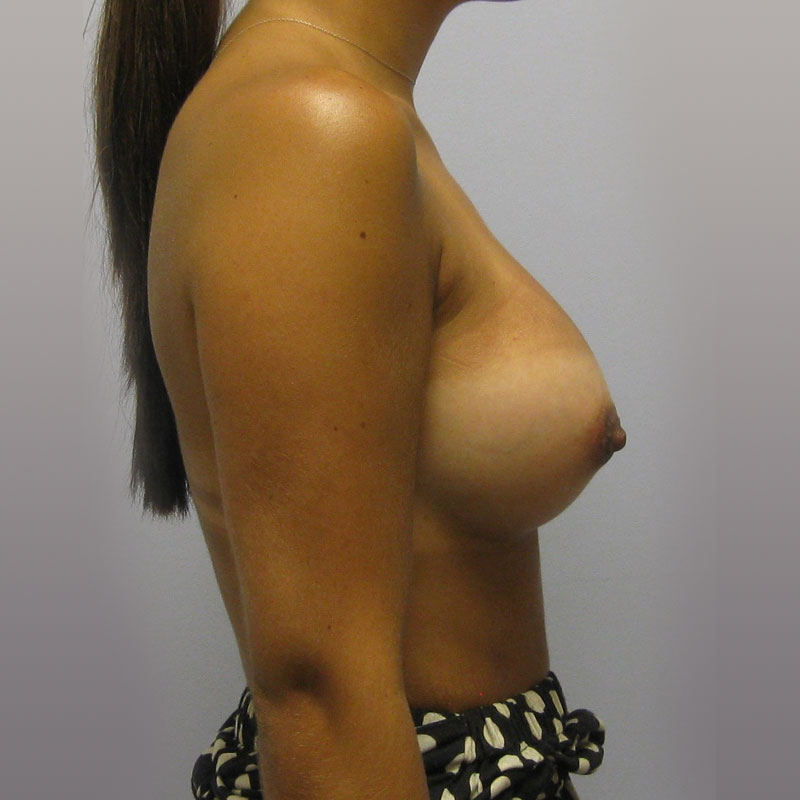
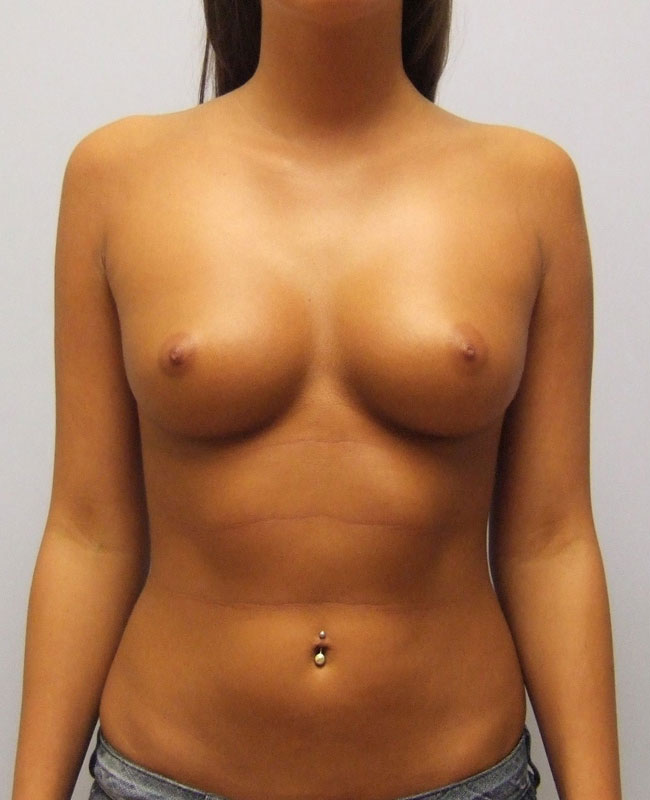
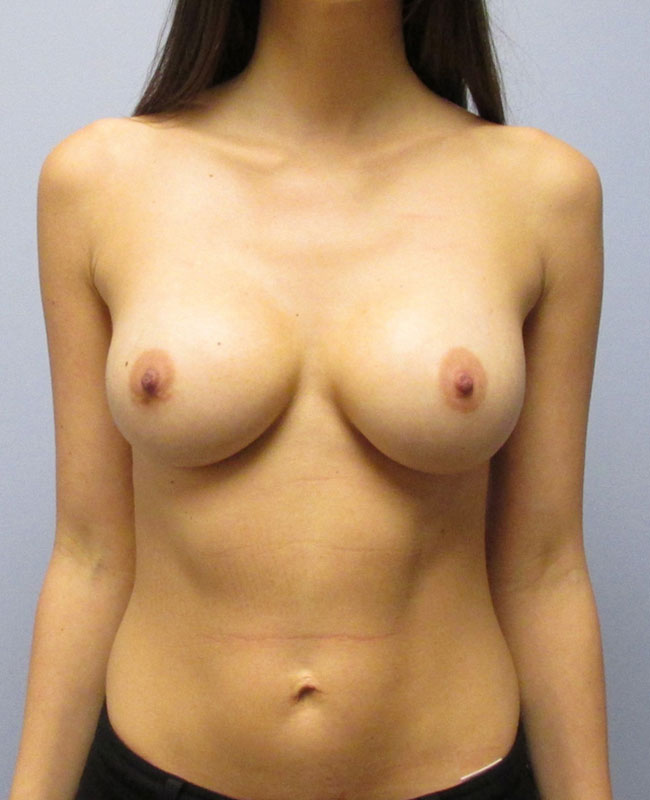
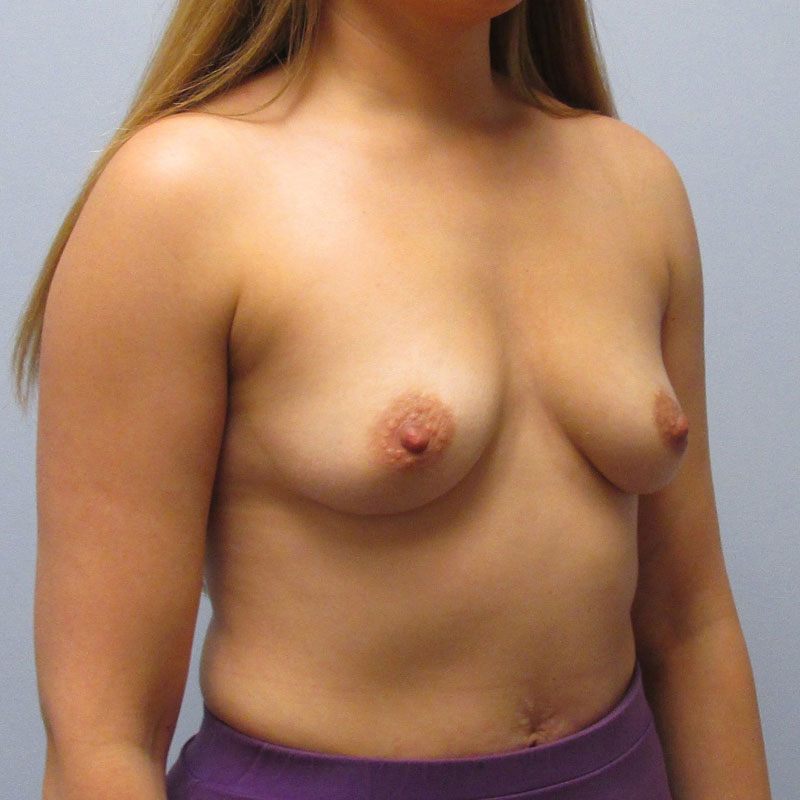
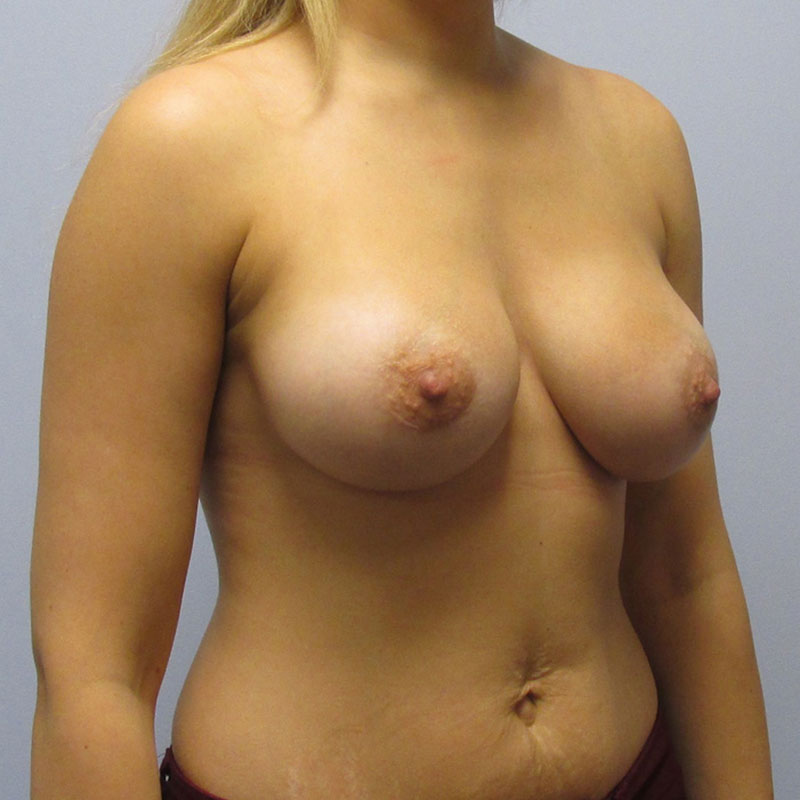
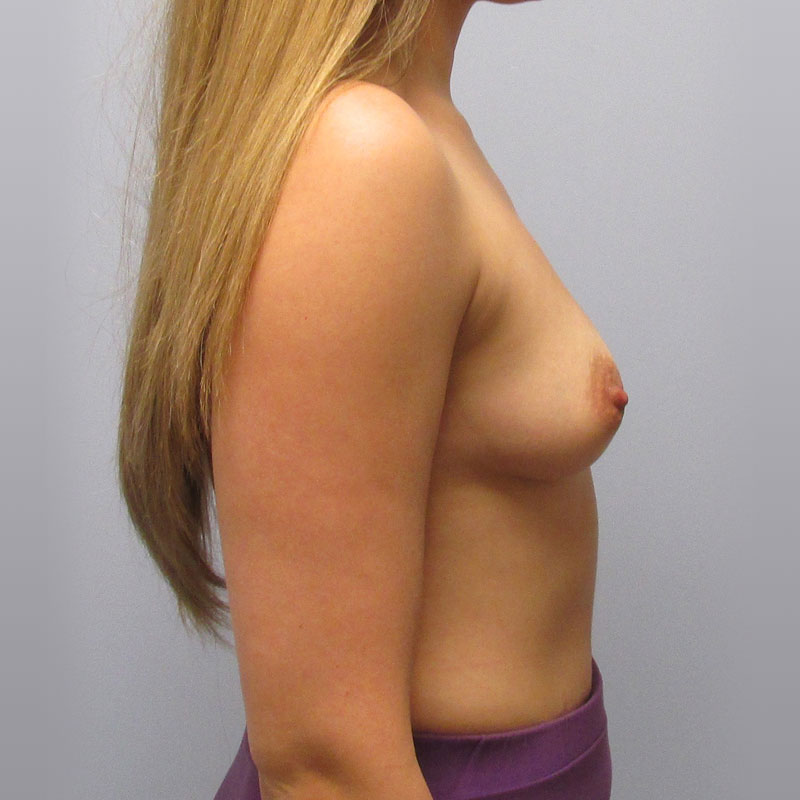
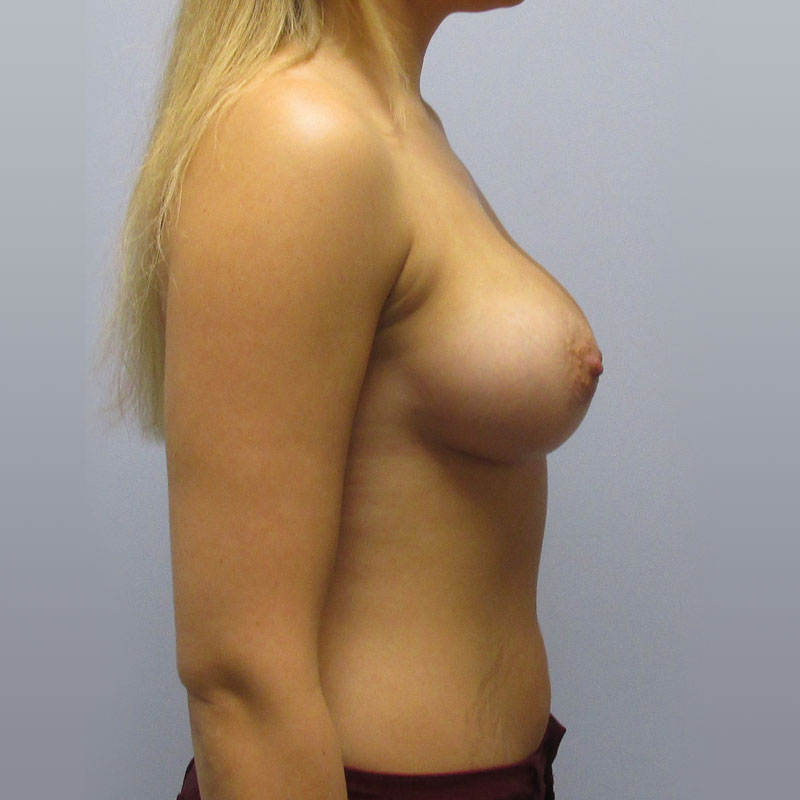
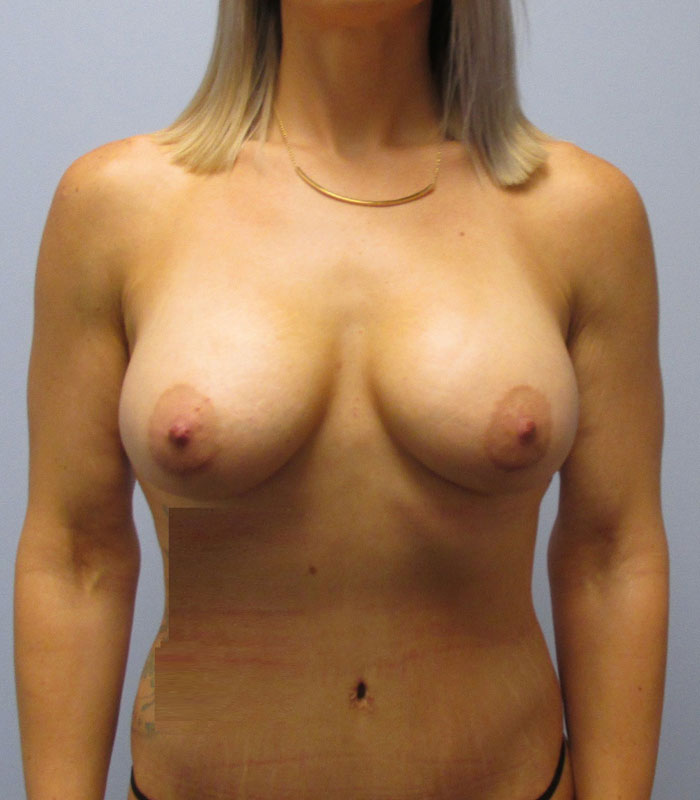
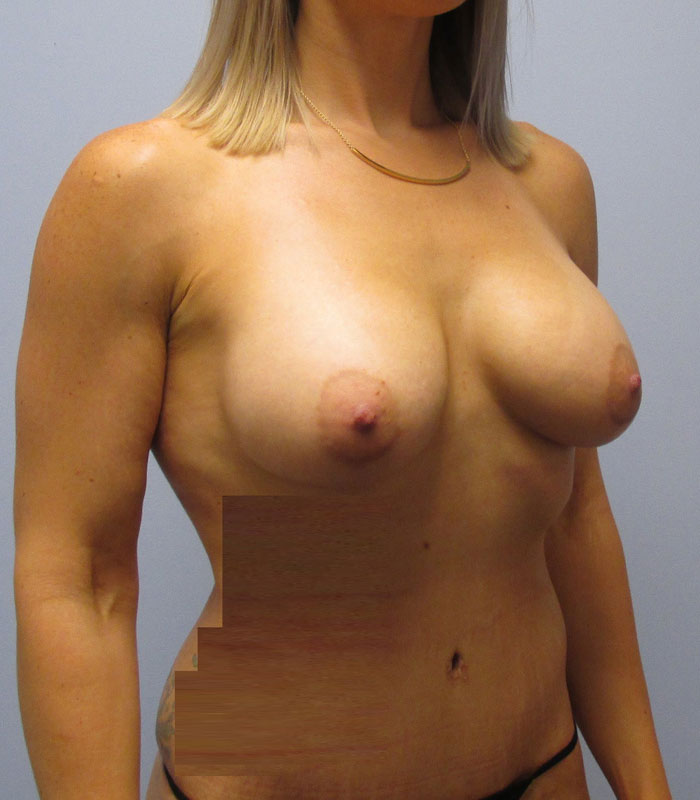
review photographs of other women with similar sized breasts following
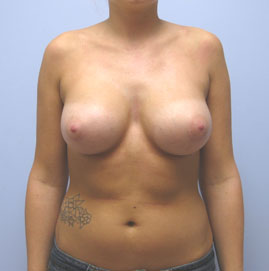
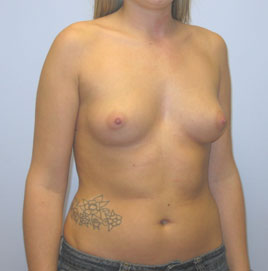
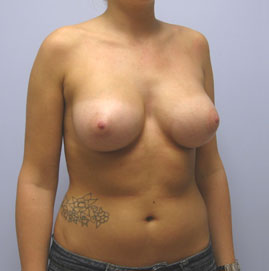
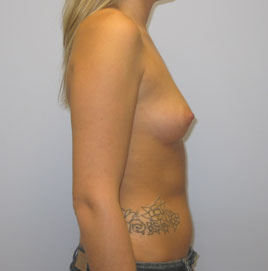
augmentation with various sized implants. In this way, a more realistic
image can be obtained about your breasts would look like following
augmentation. Placing an implant over your breasts can be very misleading.
back
to top
Breast Augmentation Pre-Operative Visit
You will meet with Dr. Capella approximately two weeks prior to the planned
procedure. After the initial consultation, it is important that the patient
have adequate time to reflect on the planned procedure in particular on
issues of implant size. Scheduling surgery involves payment of a
non-refundable deposit, as there are costs involved with preparing for your
operation, and for holding the time. A period of at least two weeks off any
medications containing aspirin, ibuprofen, vitamin E, or other medications
that could adversely affect the ability of the blood clotting mechanism is
required to prevent any bleeding complications. At this point, we require a
consent form be signed for the procedure. The size of the implants to be
used is finalized. Photographs are taken. A directed physical exam is
carried out. All questions relating to the surgery are answered in detail.
The surgical fee is due in full at this time. Arrangements should be made
for transportation for the day of surgery and for the first post-operative
visit (usually two or three days after surgery). Usually three to four
working days off are required for recovery.
back
to top
The Day of Breast Augmentation Surgery
The operation usually lasts from 1 to 1 and ½ hours. Our board-certified
anesthesiologist provides anesthesia with the greatest degree of comfort
during the operation. At the conclusion of the operation Dr. Capella will
place dressings, a bra and a binder, which does not need to be removed until
your next visit. You will likely remain in the recovery room for several
hours after the procedure.
back
to top
Breast Augmentation Recovery Process
It is necessary that a responsible adult escort be available to transport
the patient to and from the surgical suite, and be available for the first
24 hours. During that time, the caretaker person will assist the patient in
getting up to the bathroom, taking medications, and eating and drinking. It
is best to stay in bed for the first 12-18 hours following surgery and limit
your intake of liquids.
You need to anticipate some discomfort until the blood level of the narcotic
pain medication reaches a therapeutic threshold. This usually takes a double
dose of the pain pills for the first two to three doses, after which a
single dose is sufficient to maintain control of the pain. Antibiotics are
continued for five days after the procedure to lower the risk of infection.
Activity should be restricted to no lifting, pushing, pulling or driving for
48 hours. It is not advisable to drive a motor vehicle until you are
completely off of narcotic pain medication and there is no restriction of
upper extremity mobility, such as may be required in an avoidance maneuver
with a car. The bra is left in place until the first post-op visit, and the
breasts must be kept dry. A small amount of oozing at the incision sites is
to be expected. The breasts should not be manipulated in any way. One should
be up and walking on the morning following surgery and a light solid diet
begun to the point of tolerance.
Certain events should be reported to the office immediately. A temperature
over 99.5 degrees, chills or sweats, a markedly different degree of swelling
between sides, and/or increasing, rather than decreasing, pain.
Patients are seen 2-3 days after the operation, at which time their bandages
are removed and the healing is assessed. Patients are then allowed to bathe
and to wash their hair. Showering is then permitted but the incisions should
not be submerged, as in a tub or pool. Most patients can resume a reasonably
normal activity pattern and non-exertional type job situations within 5-7
days after surgery.
Implant massage exercises are started at the first post-operative visit. Dr.
Capella will instruct you how to do this. The exercises are done with
greater frequency early on to displace the implant around the generous
pocket, in an attempt to prevent the body from closing down the pocket and
compressing the implant. It is uncomfortable at first, but rapidly becomes
tolerable. It is critical to establish a pocket early in order to obtain
soft breasts.
Dr. Capella's protocol for breast massage is as follows:
1.
|
Use your right hand to move your left breast implant and your left
hand to move your right implant.
|
2.
|
Cup your breast on the bottom and lift straight up toward the
collarbone. At first this should be done gently, but increase the force
with which you displace the implant until you can move it up to the
collarbone. Hold the position for 10 seconds in the up position.
|
3.
|
Next, cup the breast on the lateral, or outside, aspect and move it
inward toward the breastbone. Hold it there for 10 seconds.
|
4.
|
Now do the opposite breast
|
5.
|
2-4 is one repetition. Do 10 repetitions to complete a set.
|
6.
|
Do a set of exercises every other hour while you are awake, for the
first two weeks after you start them; after this, we recommend you do
two sets a day for the rest of your life.
|
Following your first visit to the office, you no longer will be required to
wear the bra provided by Dr. Capella. At this time, and for at least two
months following the surgery, we suggest you wear a sports bra or other
garment that does not provide upward pressure on the breasts. It is critical
during the recovery period that the implants are allowed to settle. Some
bras, especially those with underwires, do not allow this process to take
place. Dr. Capella may provide you with a binder to secure over the top of
your breasts to provide gently downward pressure.
Dr. Capella's physician assistant will make suggestions for obtaining a
sports bra. Some of the bras patients have found comfortable include:
·
|
The Body Wrap #44610
|
·
|
Nike Inner Actives #281103
|
·
|
Warner-Friday's Bra #02083 or #01058
|
It is not critical that you find one of these bras. There are many available
that are satisfactory. Not wearing a bra at all until you find one suitable
is preferable over wearing a bra with an underwire. Once again, here are
some suggestions when looking for a postoperative bra:
·
|
No underwire bras
|
·
|
Buy the cup size you are going to be
|
·
|
Try on the bra before you buy-some bras run small
|
·
|
The color black is preferable
|
back
to top
Risks of Breast Augmentation
1.
|
Bleeding (hematoma formation). Significant bleeding into the
space around the implant can occur in this operation, although it is
unusual. Large collections of blood around the implant require a return
to the operating room for removal. Not doing so would produce an
abnormal shape to the breast and a potential for hardening in the
future.
|
2.
|
Infection. Some of the tissues of the breast normally contain
bacteria and are likely to come in contact with the implant during
augmentation surgery. All of our patients are placed on antibiotics
during surgery and for several days afterwards. The risk of infection is
less than one percent.
|
3.
|
Loss of nipple sensation. Most patients experience some
change in nipple sensation following augmentation surgery. The change
may either be increased or decreased sensation and lasts several weeks.
Nevertheless, the change is usually temporary. Permanent loss of
sensation is unusual.
|
4.
|
Malposition of implants. Every effort is made to make the
breasts appear as symmetrical as possible. This requires fine
adjustments in implant placement. On occasion, a second procedure is
required to achieve satisfactory symmetry. For further information about
the possible risks of breast augmentation, click here.
|
back
to top
Long Term Complications
1.
|
Capsular contracture (hardening of the breasts by the presence of
scar compressing the implant). Every individual forms some scar
around the implant. This is a normal response of the immune system to a
foreign body. For not completely understood reasons, some individuals
form thicker scars than others. A thick scar may distort the breast and
even cause discomfort. The incidence of this problem has deceased since
the use of saline filled implants and submuscular placement and is
approximately 10%. When treatment is warranted, the scar is incised or
removed and the implant is replaced.
|
2.
|
Interference with mammography. Implants interfere with the
ability to image the breast by mammography to a variable extent.
Implants placed behind the pectoralis muscle allow the breast to imaged
more effectively by a method called the Eklund Technique. Using this
technique, the presence of implants does not represent a statistically
significant risk to patient of missing an early breast cancer.
|
3.
|
Deflation. The incidence of implant leakage is approximately
two percent. Today's implants are better than a decade ago, and so it is
difficult to accurately predict what the true leakage rate is. It may
actually be lower. In the event of implant deflation, saline (the
solution of which 70% of our bodies are made) leaks into the surrounding
tissues and is absorbed. A relatively brief, simple surgical procedure
is required to remove the old implant and replace it with another.
Implant manufacturers cover the cost of implant replacement for up to 10
years and assist with the cost of anesthesia and surgery as well.
|
4.
|
Interference with breast-feeding. This is extremely rare, it
is possible to divide the ducts that empty the breast gland and thus
interfere with lactation. Additionally, the breasts may be too
uncomfortable when engorged, and so lactation may be hindered in this
way.
|
5.
|
Visible rippling. Individuals with small breasts who have had
a large augmentation can be at risk for visible rippling of the
overlying skin. This problem is much more common with textured implants
and those placed above the pectoralis muscle.
|
|
 |